Walk Through the Centuries: streets, secrets, and legends of Barcelona

Discover Barcelona from a new side: from Roman columns to medieval streets, where the past comes alive.


Type: Walking tour
Duration: 3-4 hours
Group size: Up to 5 people
Language: Russian, German, English


Tour Details

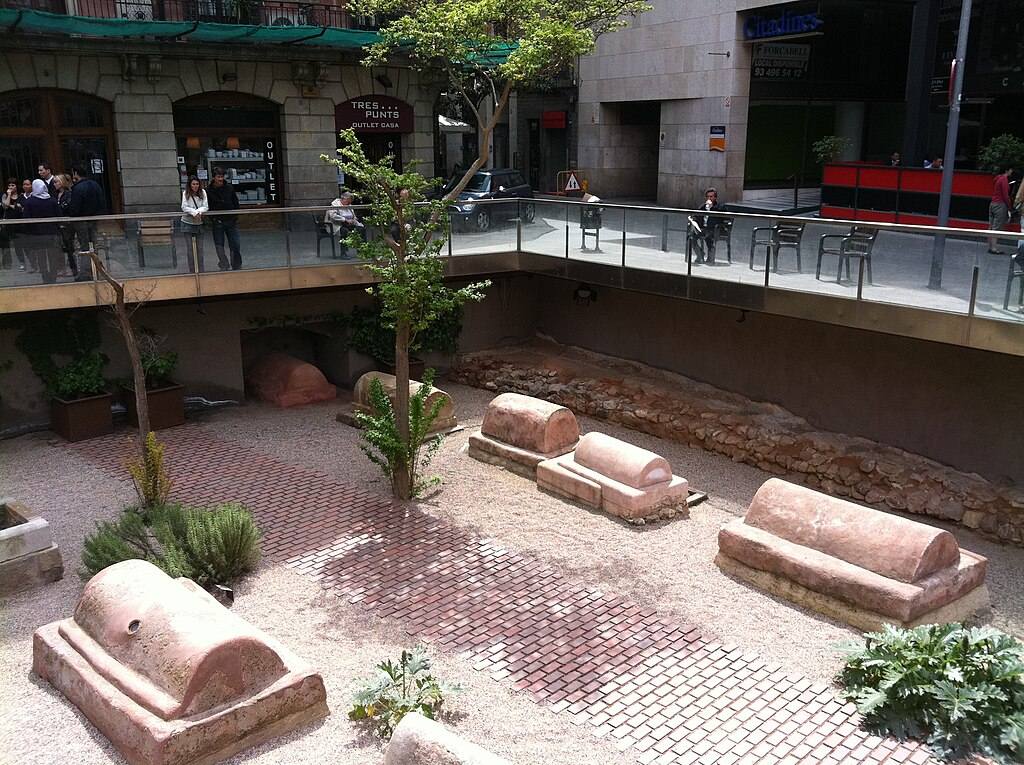
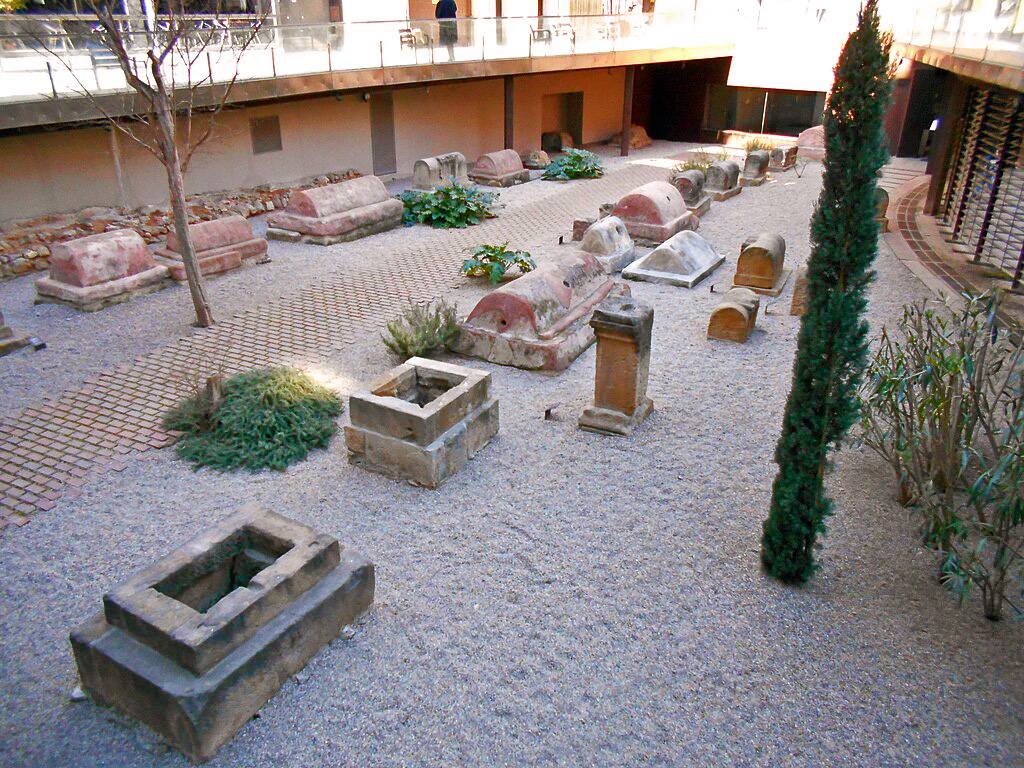
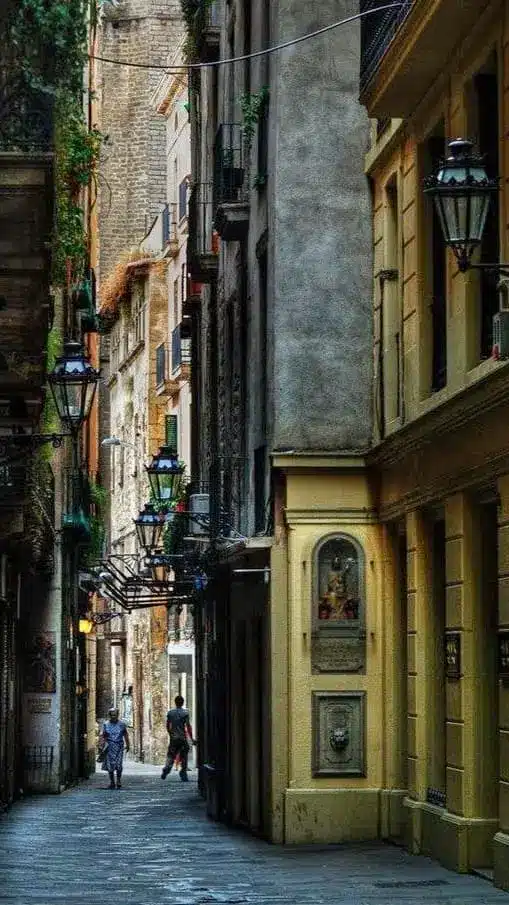
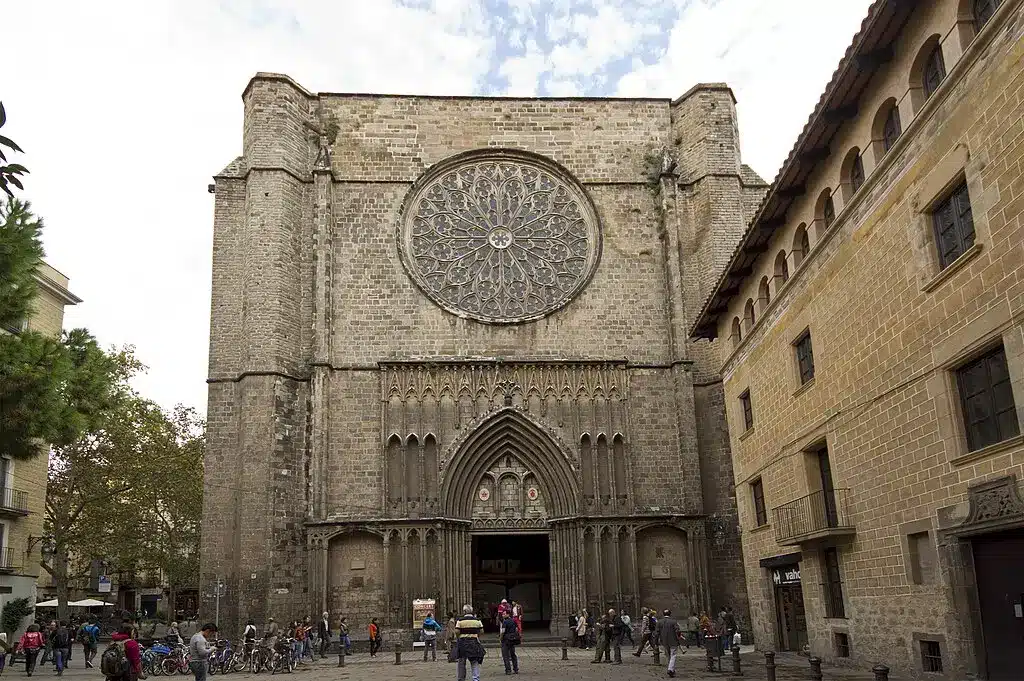
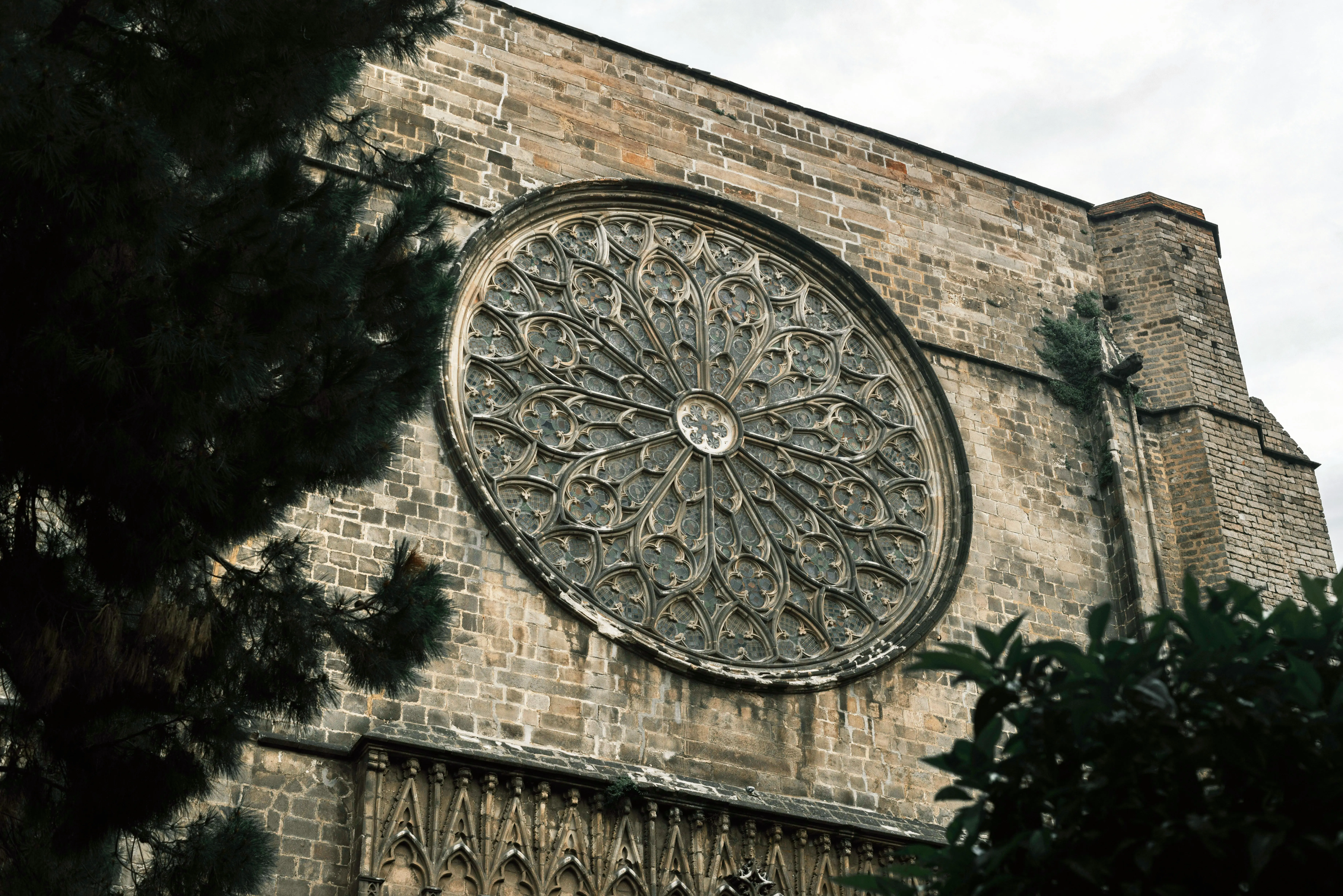
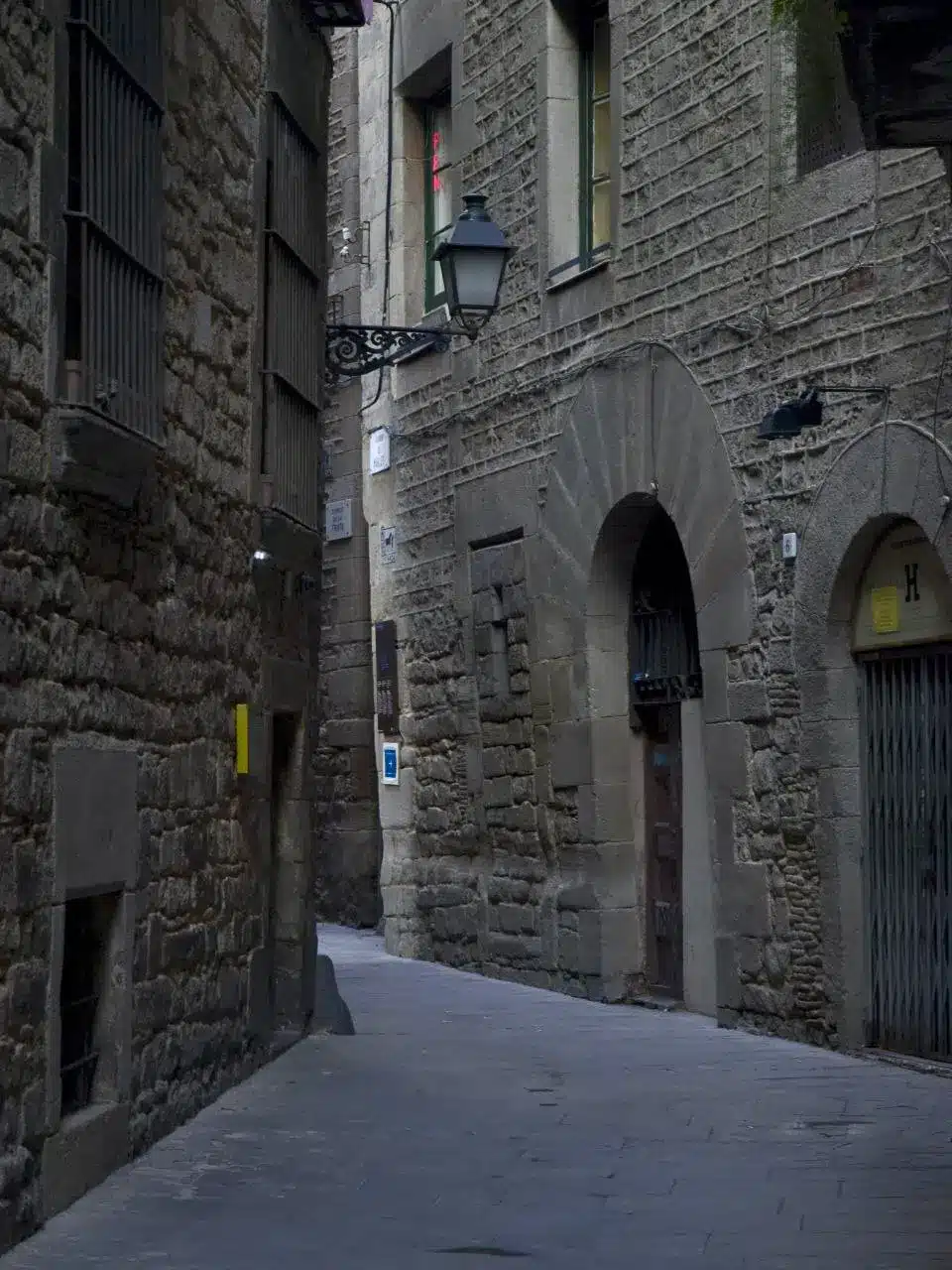
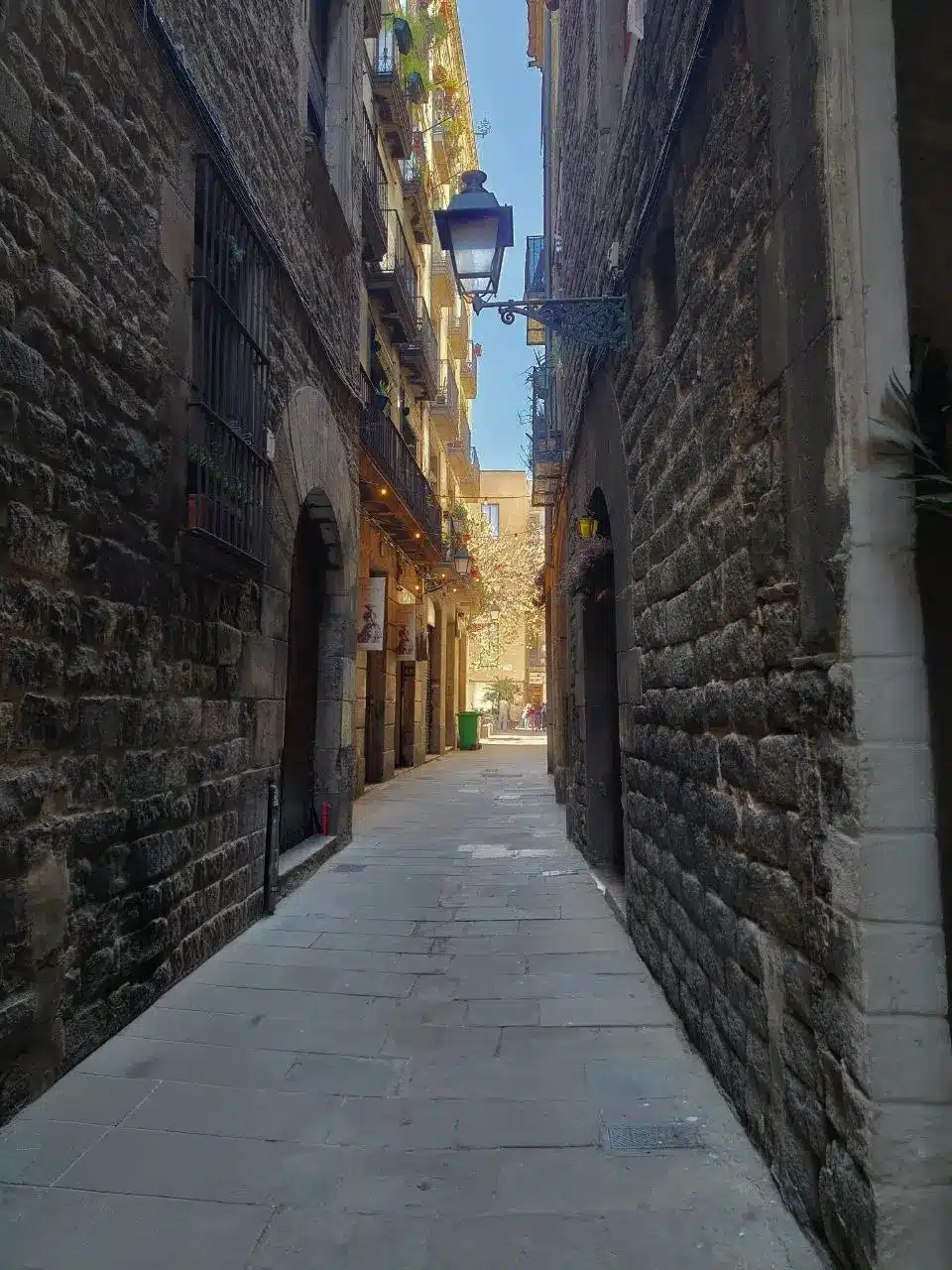
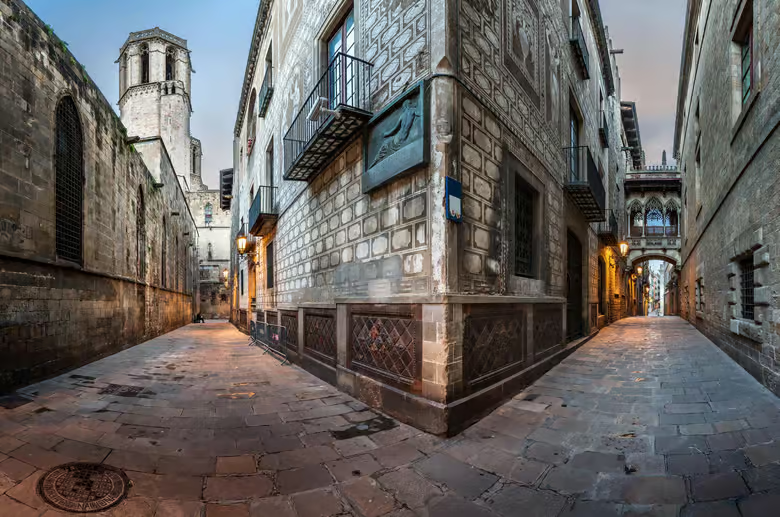
We will immerse ourselves in medieval Barcelona of the 13th–15th centuries. Our route begins at the Roman Necropolis, where we will learn the intriguing legend of how it was discovered by a simple worker. Then we will wander through the labyrinth of the old town and discover which street first introduced chocolate to Barcelona and why a French general disliked its smell. We will admire the impressive 10-metre rose window of the 14th-century Catalan Gothic church, Santa Maria del Pi.

We will explore the rules of traffic in the medieval city, discuss the craft guilds, and see their original symbols still preserved on the walls of the old town. We will walk through the places where the protagonist of the book and film Perfume once roamed, learn where Gaudí went every day for work, and talk about the meeting between Gaudí and the industrialist Güell, which years later completely transformed the appearance of Barcelona.

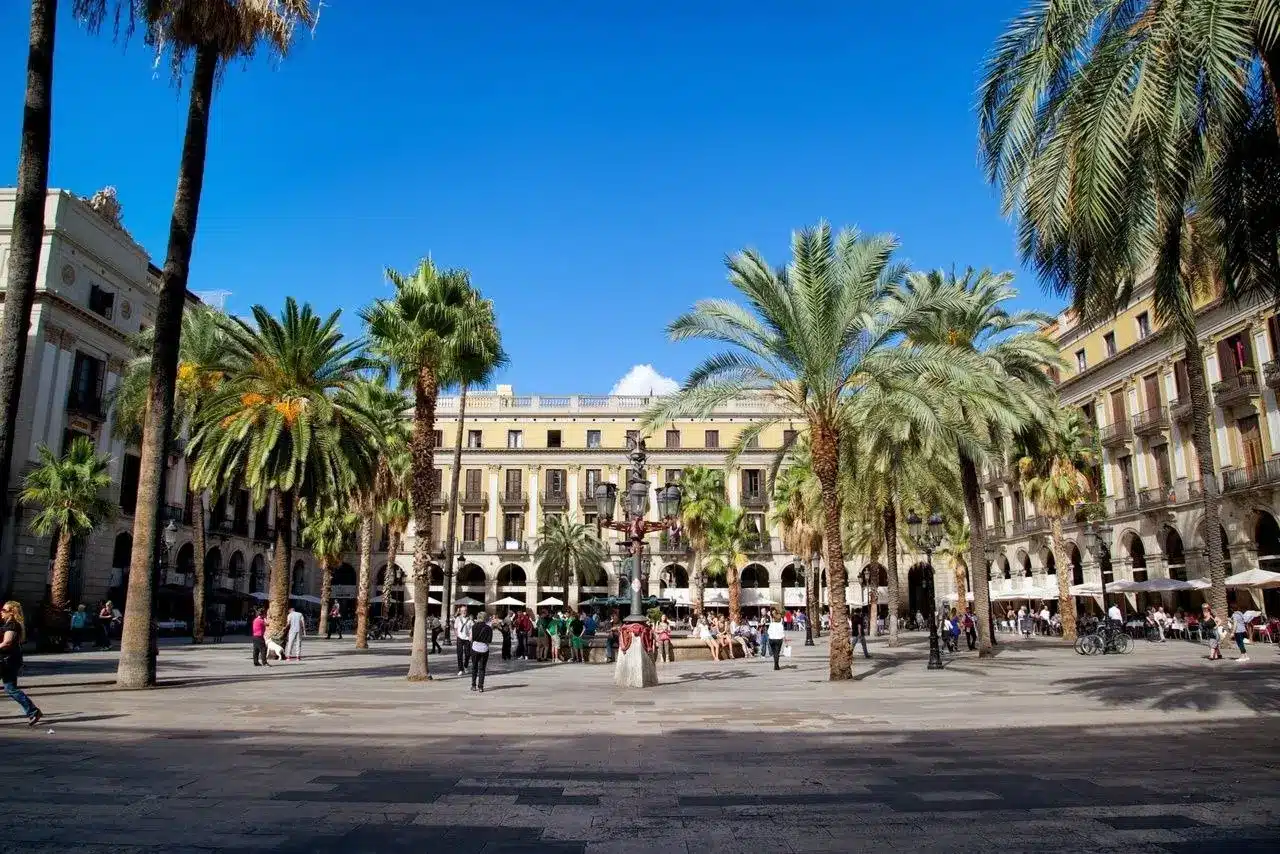
We will discuss the Inquisition, find out where executions took place and where the executioner lived. We will enter the Jewish Quarter to learn about the legacy of the community and the language they spoke after their expulsion. We will visit Plaça Reial and see the oldest herbal shop, whose clients once included the royal family. We will also speak about the French occupation and how the Catalans fought for their freedom.

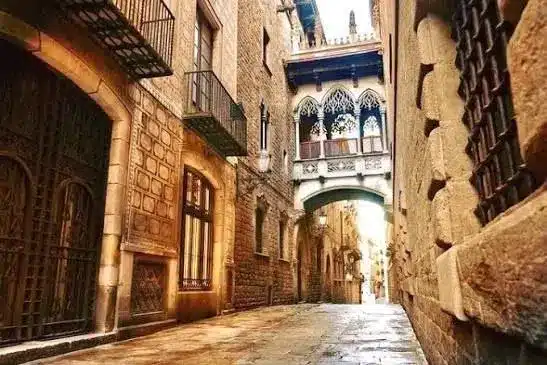
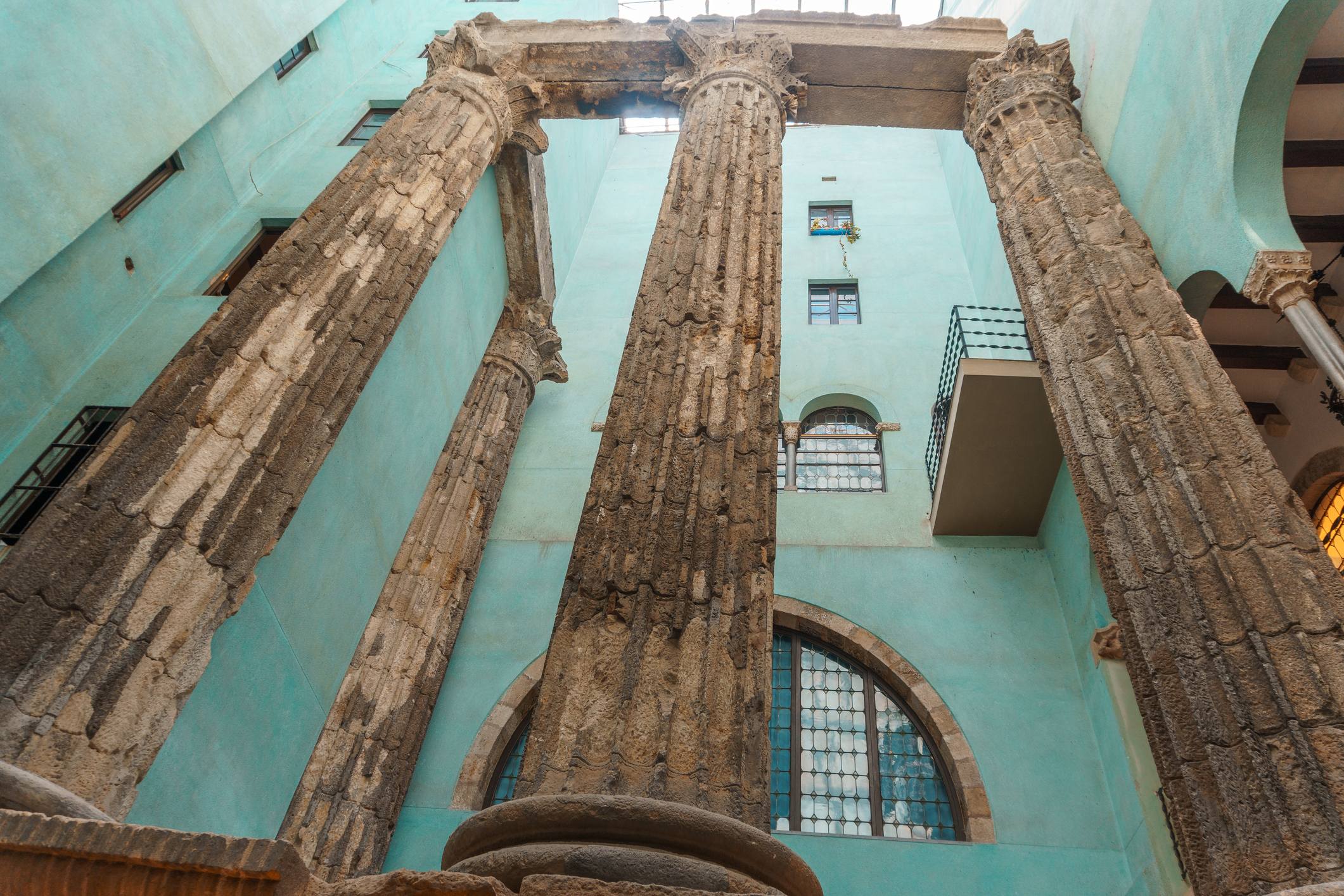
We will see the most beautiful Neo-Gothic balcony, hear the legends connected with it and make a wish. We will discover where the Roman forum of Barcino — Roman Barcelona — once stood and, if we are lucky, step inside the house where the ancient columns of the Temple of Augustus are hidden.

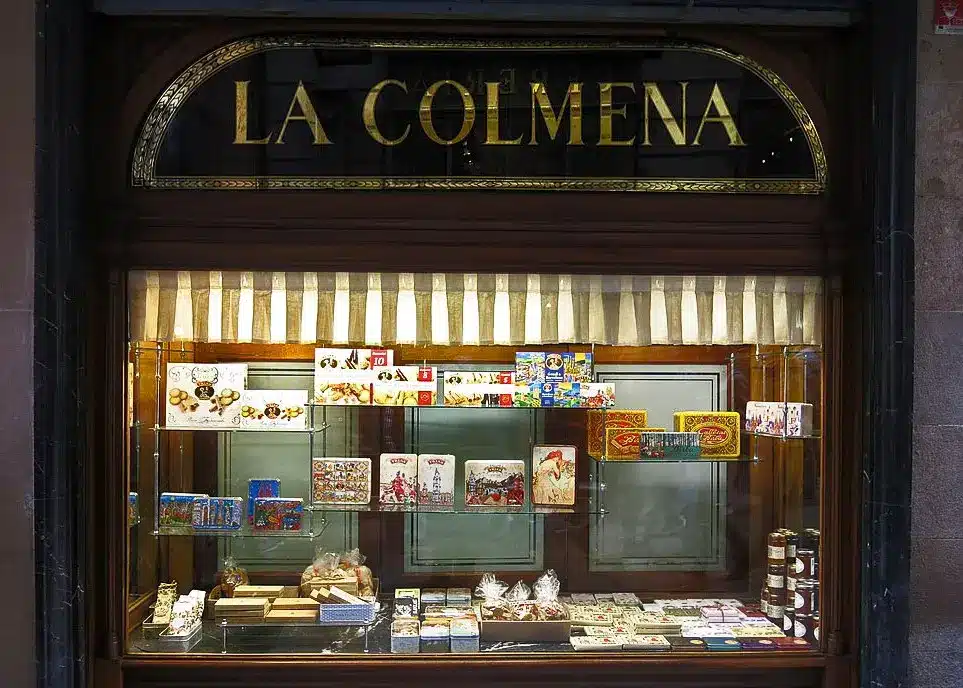
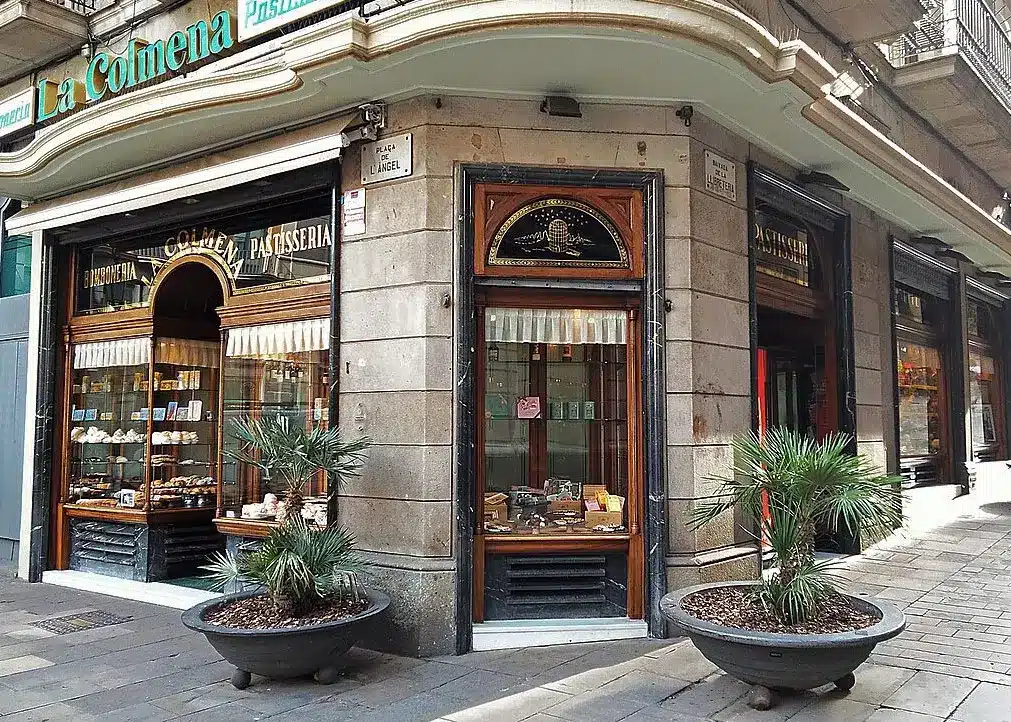
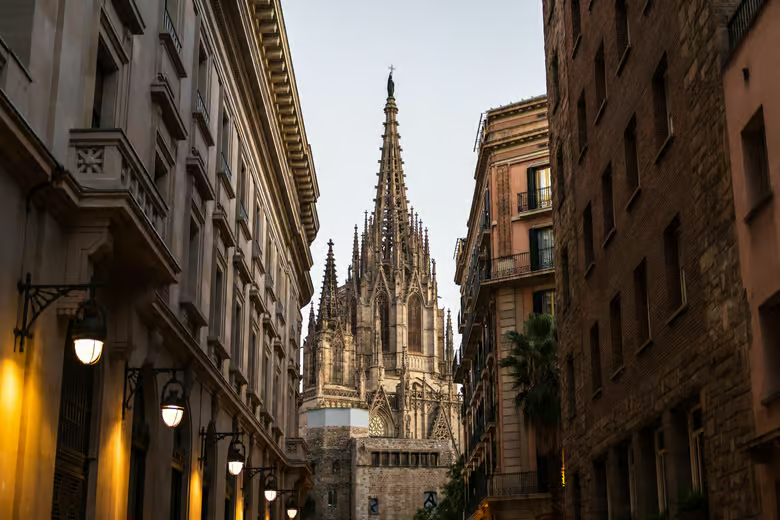
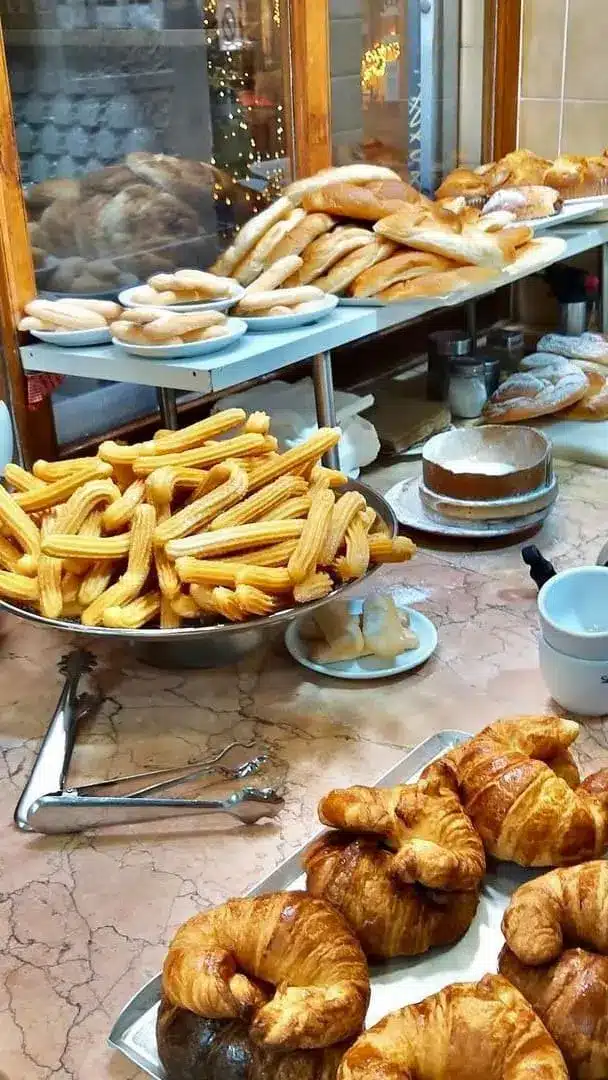
We will enter the oldest confectionery in the city, where rare traditional Catalan desserts are still baked. We will see the Gothic Cathedral and learn about the secrets it holds. We will find the spot where Barcelona’s oldest palm tree grows and talk about the Catalan footwear that appeared 700 years ago, remains popular today, and caused a sensation on the runways in the 1970s thanks to Yves Saint Laurent.

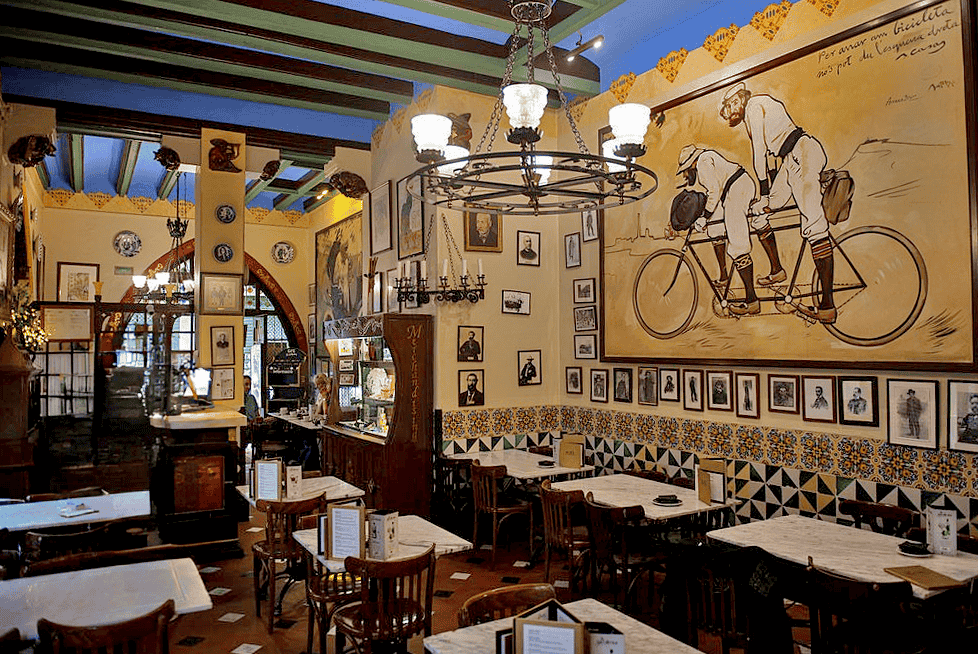
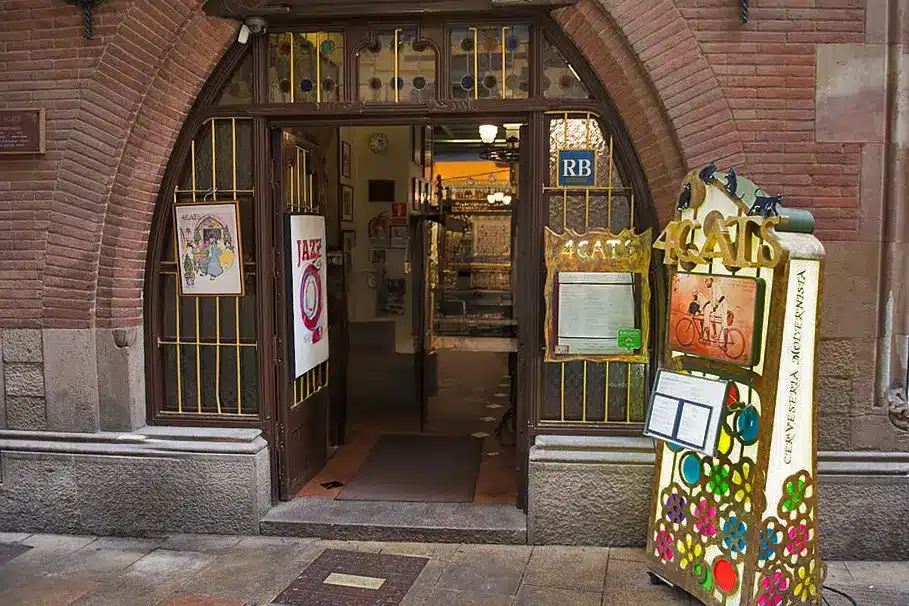
At the end of the route, we will see the city’s oldest functioning fountain and finish our walk at the most bohemian restaurant, where the great Picasso held his first exhibition.


Important information:

• Wear comfortable shoes – this is a walking tour.

• Bring a camera or phone – stunning views await.

• On sunny days, sunscreen and a hat are recommended.

• Bring enough water to stay hydrated during the tour


What’s Included

  • Tour guide
  • Walking Tour

What’s Not Included

  • Food and drinks
  • Entrance fees to attractions
  • Transportation to the meeting point


Catalan modernism journey

Step into Barcelona’s past: Roman ruins, medieval streets, and hidden secrets.

200 € For group up to 5 people
Book a tour

Tour Program

Barcelona hides a “street of the dead”: in the middle of the modern city center, a real Roman road with tombs dating back two thousand years has been preserved.


The sweetest corner of Barcelona and the city’s first pedestrian street, where centuries ago people started their mornings with a cup of hot chocolate. It was loved by Pablo Picasso, Salvador Dalí, and Montserrat Caballé.


A mysterious temple in Barcelona where a legend about a tree, a giant stained-glass window, and the atmosphere of the Middle Ages come to life in the very heart of the city.

A place where the luxury of old Barcelona meets the energy of the modern city, and Gaudí’s early works still illuminate the square.

This is a hidden medieval world in the center of Barcelona, where narrow stone streets preserve the memory of the city’s ancient Jewish community, its culture, and its lost stories.

A hidden square in Barcelona, where silence speaks louder than history, and the walls still bear the marks of war amid the harmony of the old city.

The most mysterious bridge in Barcelona is not as old as it seems: it was built in the 20th century, yet it looks as if it has stood here since the Middle Ages.

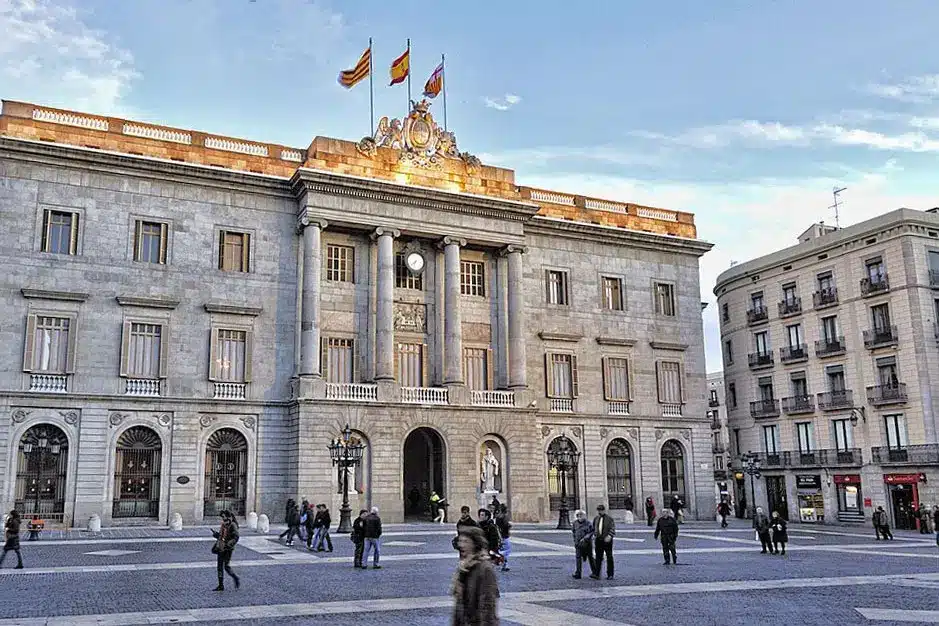
The heart of political Barcelona, where the city’s fate has been decided for two thousand years, from the Roman forum to modern times.

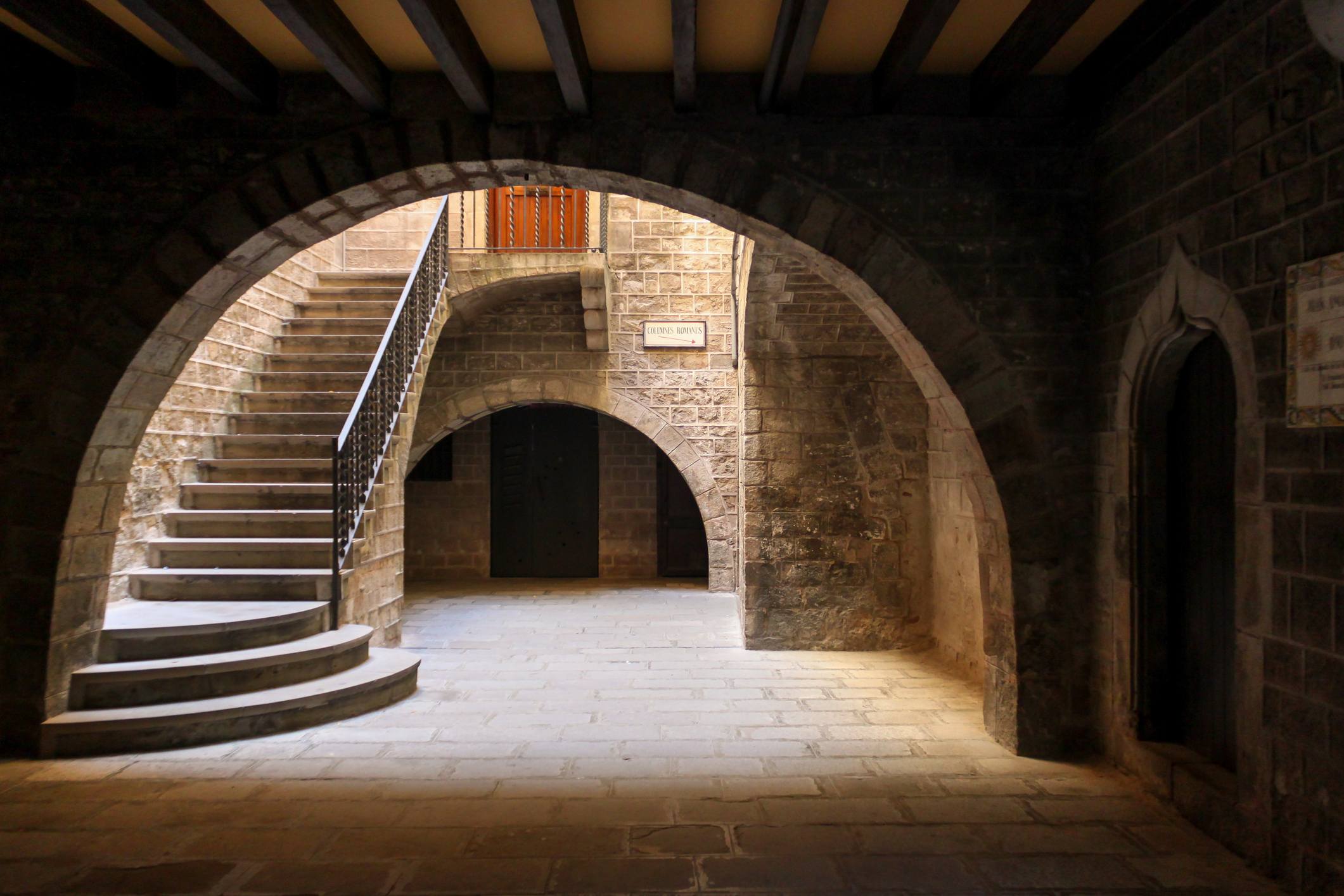
Four columns that have outlived empires: the Temple of Augustus is one of the most unnoticed yet oldest traces of Barcelona.

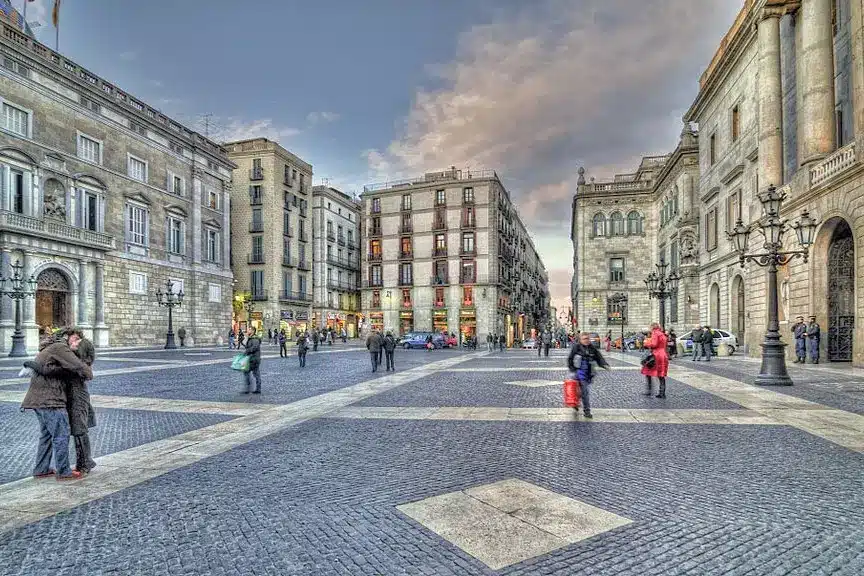
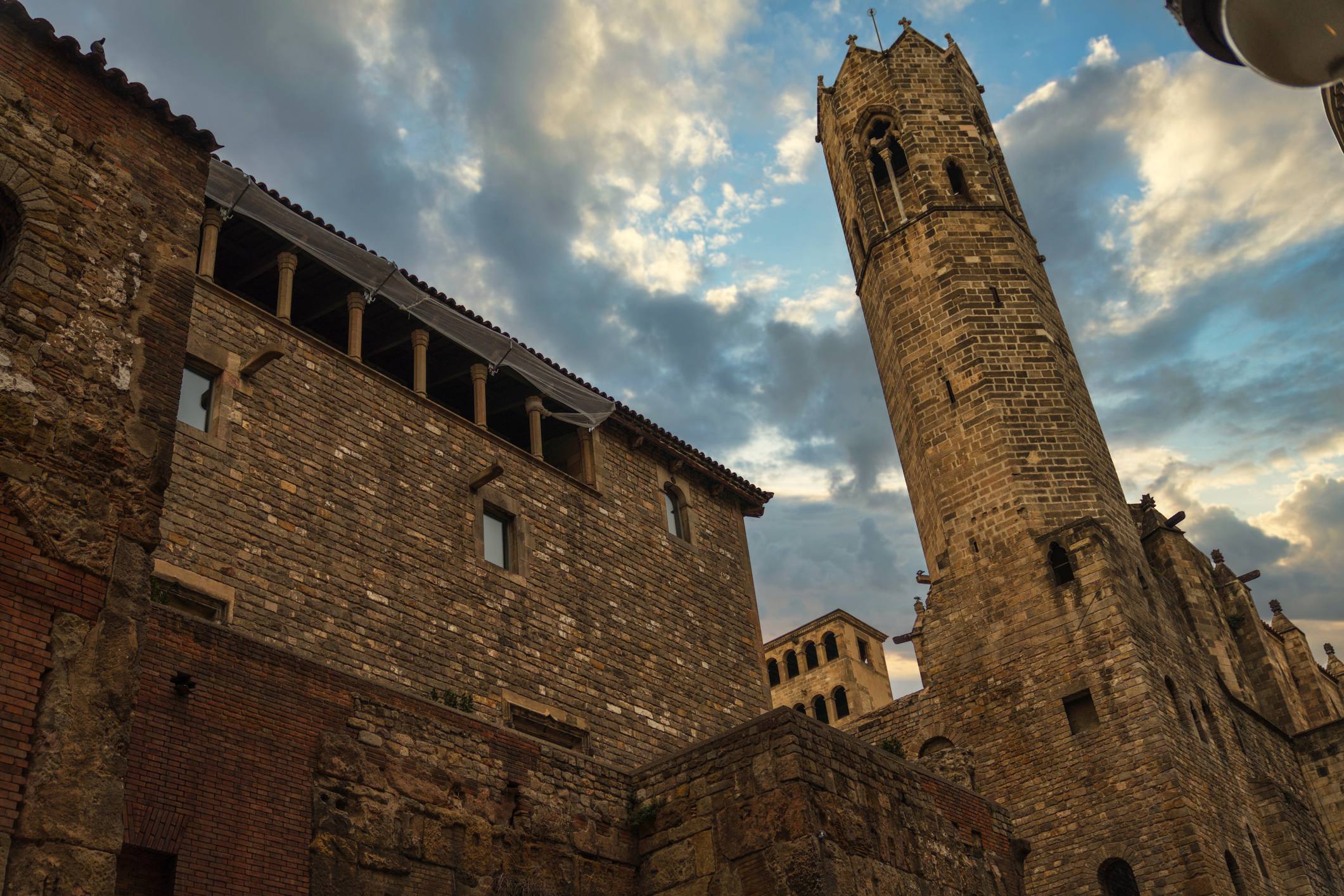
One square — two eras: on the surface, medieval Barcelona; beneath it, ancient Rome, forgotten yet preserved.

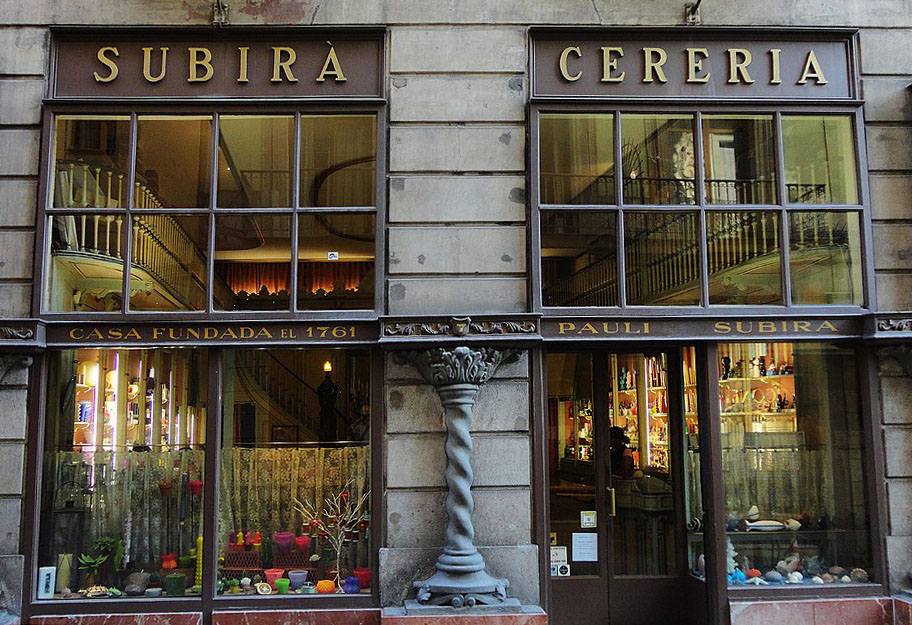
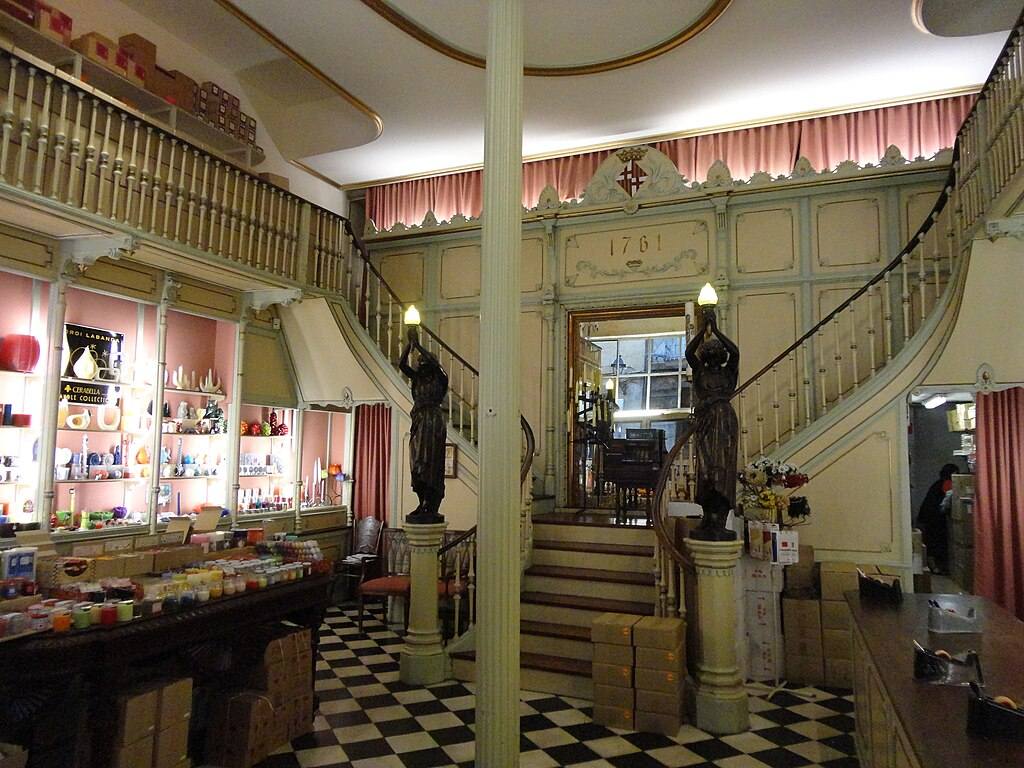
A shop where time stopped in the 18th century: the oldest candle store in Barcelona, operating since 1761.

Barcelona’s sweet time machine, where candies have been made following traditional recipes since 1849.

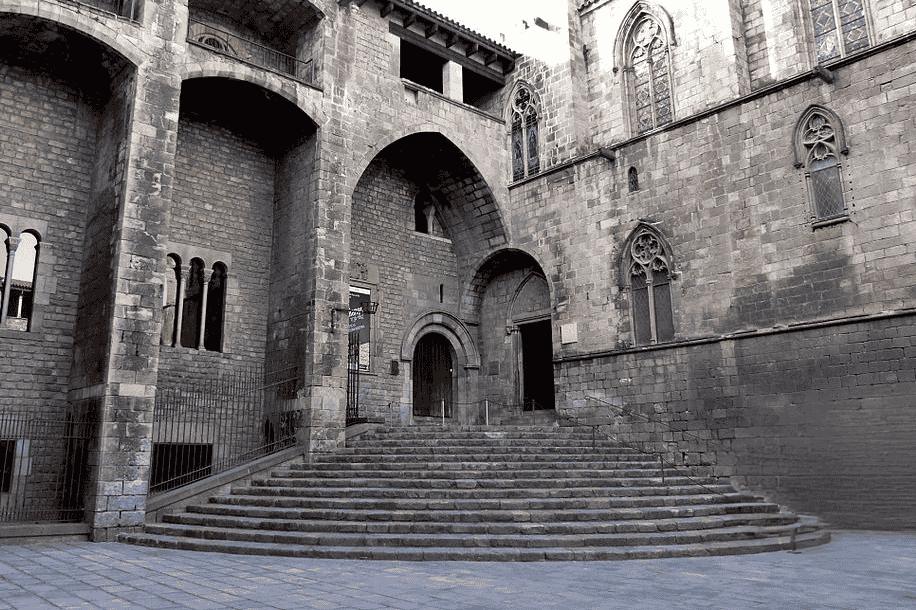
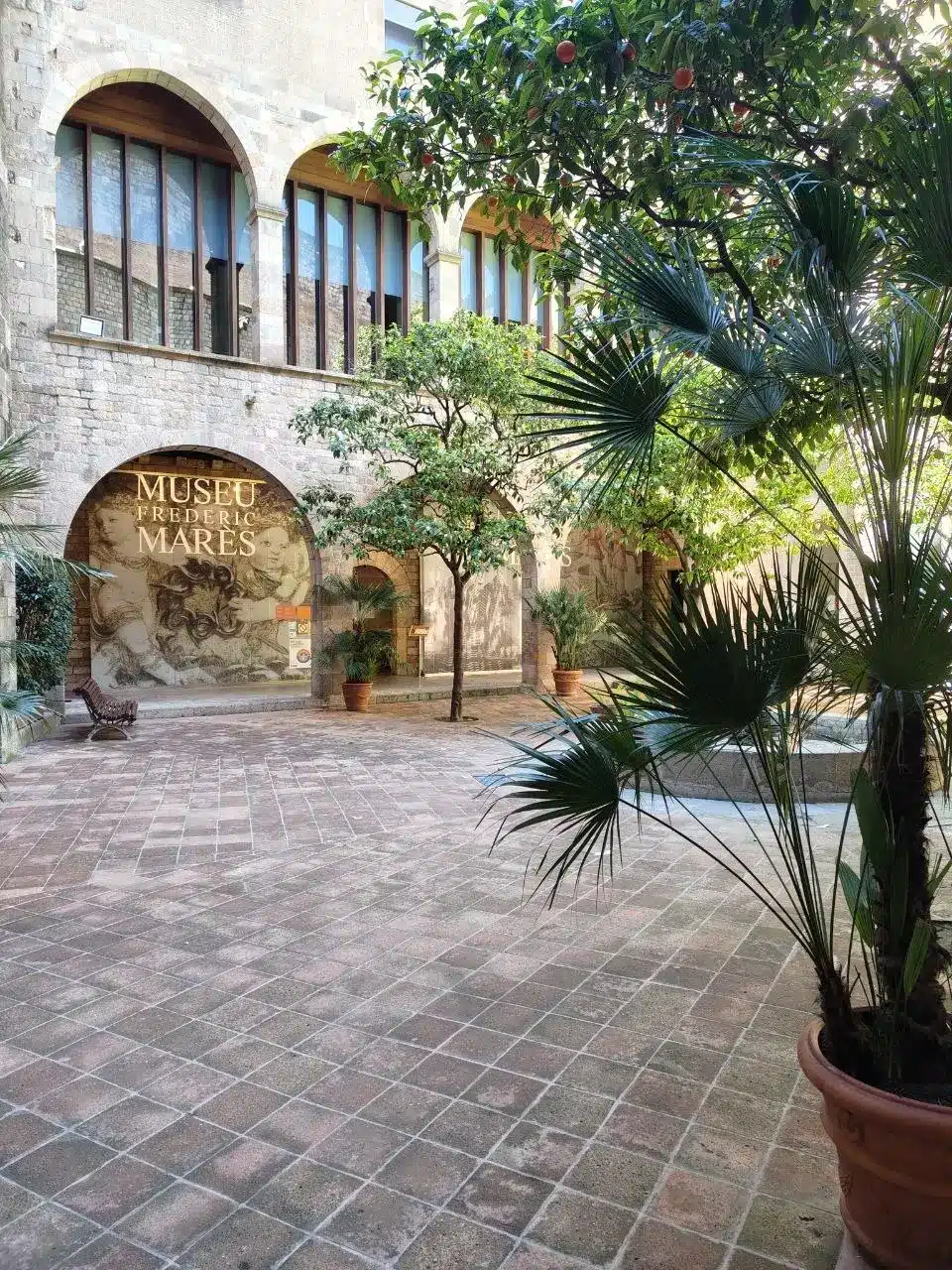
The Frederic Marès Museum is a journey into the past inside a royal palace, where power was once exercised and Inquisition trials took place.

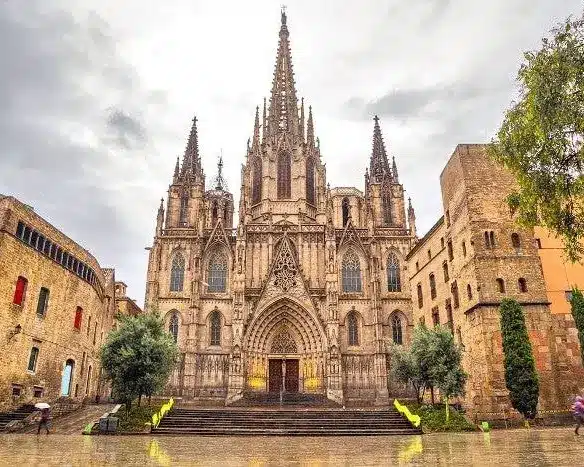
A cathedral in the heart of the Gothic Quarter where the patron saint of Barcelona rests and one of the city’s most unusual traditions lives on — 13 white geese.

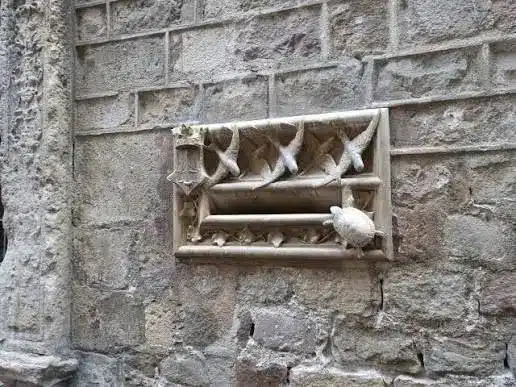
The Archdeacon’s House is a place where residents’ complaints could reach church authorities directly through an old mailbox decorated with symbols of a turtle and swallows.

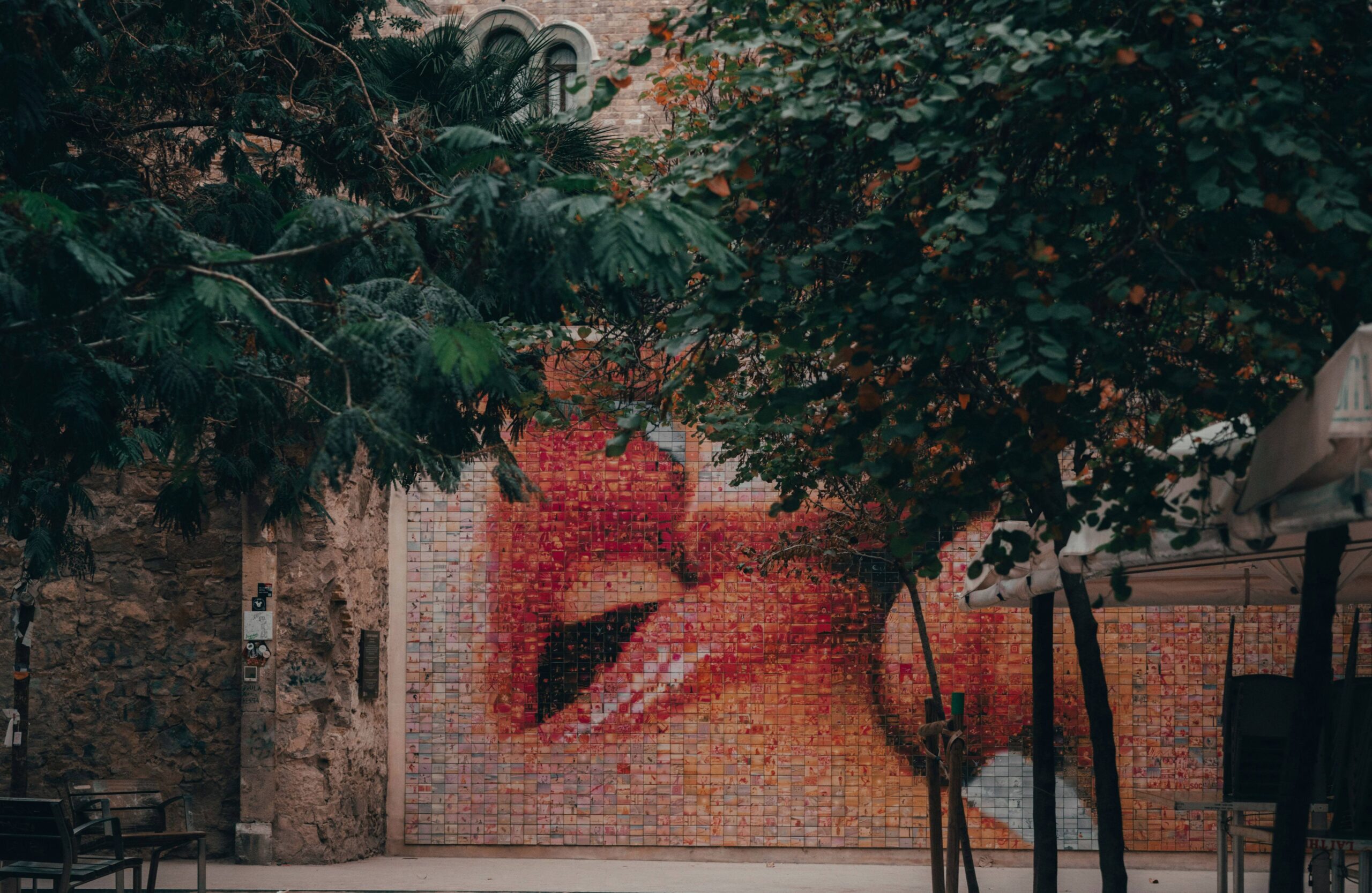
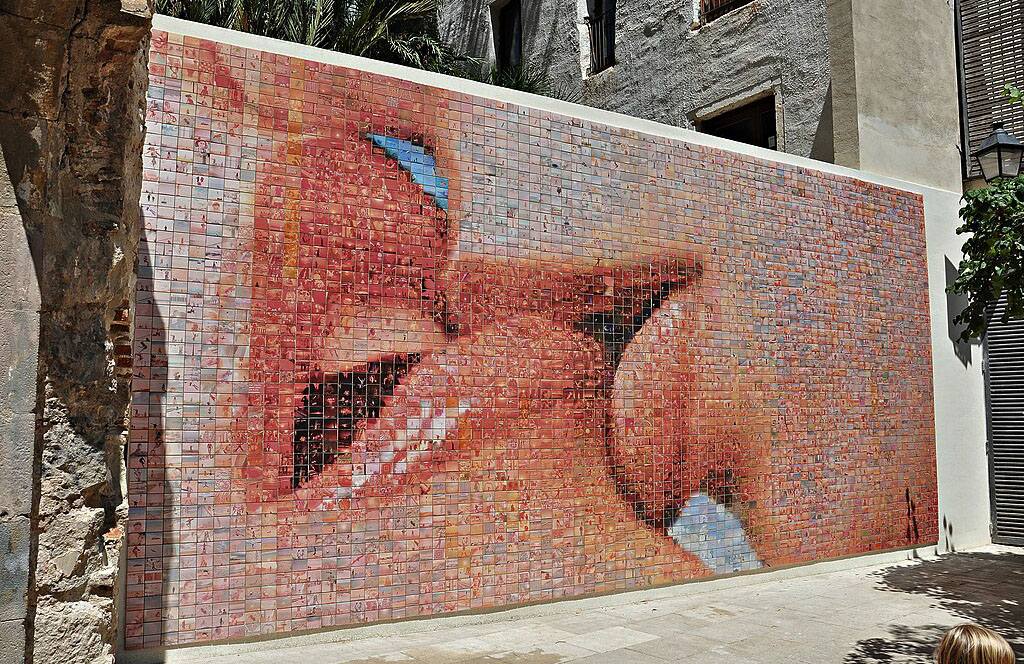
The Kiss Wall in Barcelona is a giant mosaic where one kiss is made up of thousands of real human stories.

The Fountain of Saint Anne is one of the most unnoticed yet ancient water sources in the center of Barcelona.

A legendary bohemian café where a young Picasso exhibited his first works.

Frequently Asked Questions

Have questions about tours, bookings, or documents? We've gathered answers to the most common questions to make your trip as smooth and worry-free as possible.

Order a free consultation