Seven days, from imperial Beijing to Chengdu and Leshan. The Forbidden City, Tiananmen Square and the Great Wall at the Mutianyu section. Giant pandas and Sichuan opera with face changing. And the Giant Buddha, 71 meters tall, the largest stone statue of the Buddha in the world.

A Russian-speaking guide, private transport, the Beijing → Chengdu flight, entrance tickets, the cable car on the Great Wall, an audio guide in the Forbidden City and the Sichuan opera are already included in the price.

    • Tour Type: Group Tour
    • Duration: 7 days
    • Program: 4 excursions days 
    • Guide: Russian-speaking
    • Group size: up to 10 people
    • Meals: 6 breakfasts, 4 lunches, 4 dinners
    • Transportation: private, flight to Chengdu
    • Accommodation: twin rooms, 6 nights


    Upcoming Tour Dates

    jun
    12
    June 12, 2027


    What’s Included:

    • Accommodation: 6 nights, Beijing (3), Chengdu (3)
    • Meals: 6 breakfasts, 4 lunches, 4 dinners
    • Russian-speaking guide on all excursion days
    • Private transport on excursions and individual airport transfers as per the program
    • Flight Beijing → Chengdu
    • Entrance tickets as per the program, including the Forbidden City with audio guide, the Mutianyu Great Wall with cable car and shuttle, the giant panda base, the Sichuan opera and the Giant Buddha in Leshan
    • Medical and baggage insurance

    What’s Not Included:

    • Flights to Beijing and from Chengdu
    • Meals not specified in the program
    • Personal expenses and tips


    Why Choose This Tour?

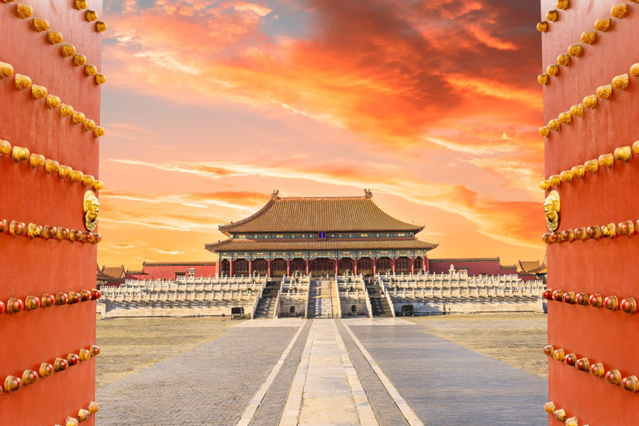
    The Forbidden City. The palace where 24 emperors of the Ming and Qing dynasties lived from 1420, a UNESCO World Heritage Site since 1987. Together with Tiananmen Square and Jingshan Hill, it stands on the Central Axis of Beijing, which UNESCO added to its list in 2024.

    The Great Wall at Mutianyu. The wall was first built here as early as the 6th century, and from 1568 this section was rebuilt under the command of General Qi Jiguang. Mutianyu has 22 watchtowers, and cable car and shuttle tickets are already included.

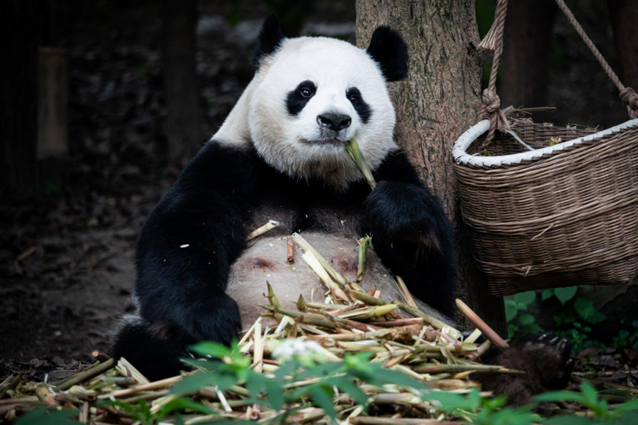
    Giant pandas. The Chengdu giant panda breeding base opened in 1987 with just six rescued animals. Small, or red, pandas live here too.

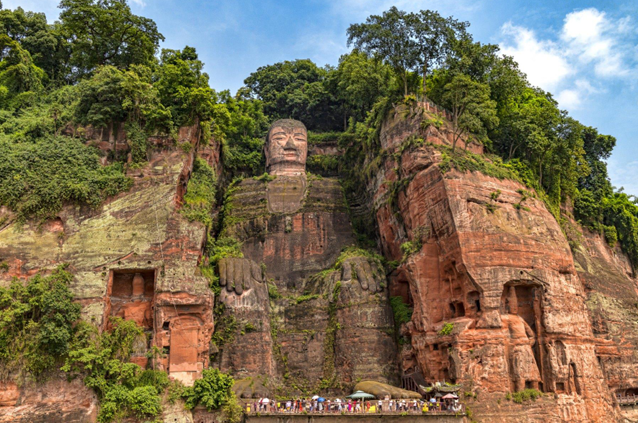
    The largest stone Buddha in the world. The 71-meter Giant Buddha in Leshan is carved into a cliff above the confluence of three rivers and was completed in 803. Together with Mount Emei, it has been a UNESCO World Heritage Site since 1996.

    The essentials are already included. A Russian-speaking guide on all excursion days, private transport, the Beijing → Chengdu flight, entrance tickets, the cable car and shuttle on the Great Wall, an audio guide in the Forbidden City, the Sichuan opera, breakfasts, lunches and dinners as per the program, and medical insurance.


    A detailed daily tour

    Seven unforgettable days across China, from the imperial Forbidden City and the Great Wall at Mutianyu in Beijing to the giant pandas and Sichuan opera of Chengdu and the 71-meter Giant Buddha of Leshan. Detailed day-by-day itinerary, four guided excursion days, a flight from Beijing to Chengdu, all entrance tickets included, and comfortable small-group travel.

    from 1350 € Per person

    Tour Program

    Beijing is the first stop on the route. Its name means “Northern Capital”: the city was given this name in 1403, under the Ming dynasty. Today almost 22 million people live here.

    At Shoudu Airport you will be met and taken to the hotel in a private car.

    The evening is free. You can stroll along Wangfujing: its name combines the words “princely palaces” and “well”, and it became a pedestrian street in 1999. Nearby is the Xidan shopping district.

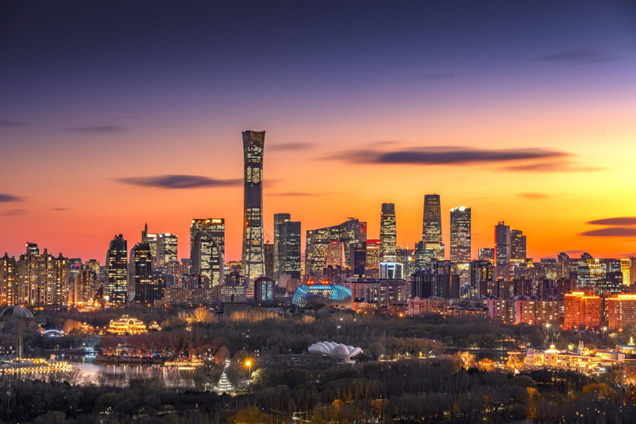
    Another idea for the evening is Beijing’s business center with the 528-meter CITIC Tower, the tallest building in the city. Its shape is inspired by the “zun”, an ancient Chinese wine vessel.

    Meals: not included.

    In the morning, Tiananmen Square, one of the largest squares in the world. It takes its name from the Tiananmen Gate, the “Gate of Heavenly Peace”. On October 1, 1949, Mao Zedong proclaimed the founding of the People’s Republic of China on this square.

    Then the Forbidden City, a detailed tour with an audio guide. The palace was built in 1406–1420 under Emperor Yongle, and for more than five centuries 24 emperors lived here, 14 from the Ming dynasty and 10 from the Qing. Since 1925 the palace has been the Gugong (Palace) Museum, and since 1987 a UNESCO World Heritage Site.

    In the second half of the day, Jingshan Hill, with a panorama of central Beijing and the roofs of the Forbidden City. Here in 1644, when Beijing was taken by rebels, Chongzhen, the last emperor of the Ming dynasty, took his own life.

    Tiananmen Square, the Forbidden City and Jingshan stand on the Central Axis of Beijing, a line 7.8 km long that was inscribed on the UNESCO World Heritage List in 2024.

    Meals: breakfast, lunch, dinner.

    Half a day at the Great Wall, at the Mutianyu section. The wall was first built here in the 6th century, under the Northern Qi dynasty. In 1404, under the Ming dynasty, a fortified pass was established here, and from 1568 the section was rebuilt under the command of General Qi Jiguang. Mutianyu has 22 watchtowers; cable car and shuttle tickets are included. The Great Wall has been a UNESCO World Heritage Site since 1987.

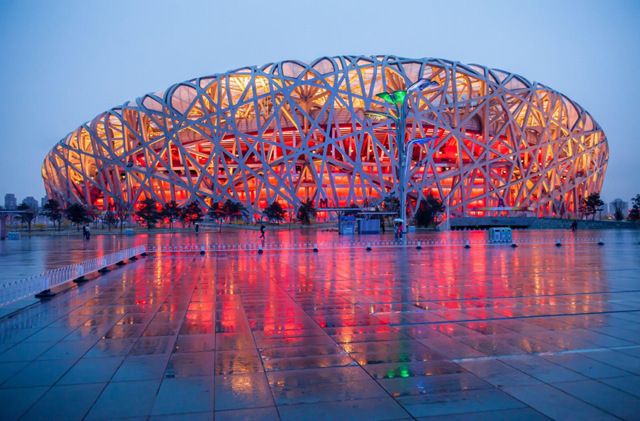
    In the second half of the day, a photo stop at the Olympic venues, the “Bird’s Nest” and the “Water Cube”, from the outside. The “Bird’s Nest” was built for the 2008 Olympics, and it hosted the opening and closing ceremonies of both the 2008 Summer Games and the 2022 Winter Games. The “Water Cube” became the “Ice Cube” at the Winter Olympics, where the curlers competed.

    In the evening, a walk along Nanluoguxiang, a hutong about 800 meters long, laid out as early as the Yuan dynasty: old courtyards, cafés and small shops.

    Meals: breakfast, lunch (or lunch box), dinner.

    In the morning, transfer to the airport and flight to Chengdu. You will be met at the airport and taken to the hotel.

    Chengdu is the capital of Sichuan Province and a UNESCO City of Gastronomy.

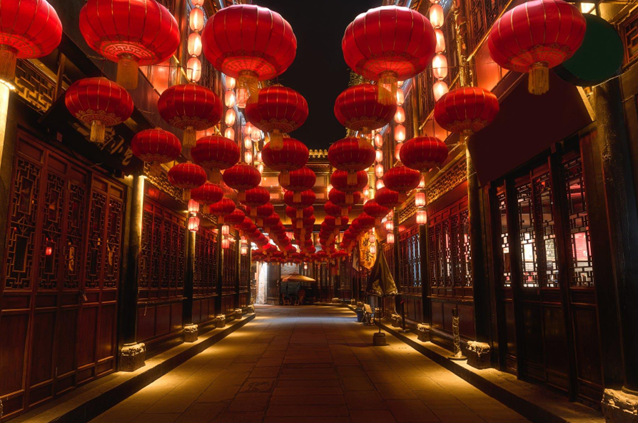
    The evening is free. You can wander the alleys of Kuanzhai, the “Wide and Narrow” alleys, which appeared under the Qing dynasty in a Manchu garrison quarter. Here people drop into teahouses and try Sichuan cuisine. Or relax in People’s Park, which opened in 1911 and is home to the century-old Heming teahouse. Another option is the old street of Jinli, next to the Wuhou Temple.

    Meals: breakfast.

    In the morning, the giant panda breeding base. It opened in 1987, starting with six rescued pandas. Here, in conditions close to natural, live both giant pandas and small, red, pandas.

    Then the Intangible Cultural Heritage Park: folk crafts and the culture of Sichuan. Chengdu hosts the International Intangible Cultural Heritage Festival, which was held here for the ninth time in 2025.

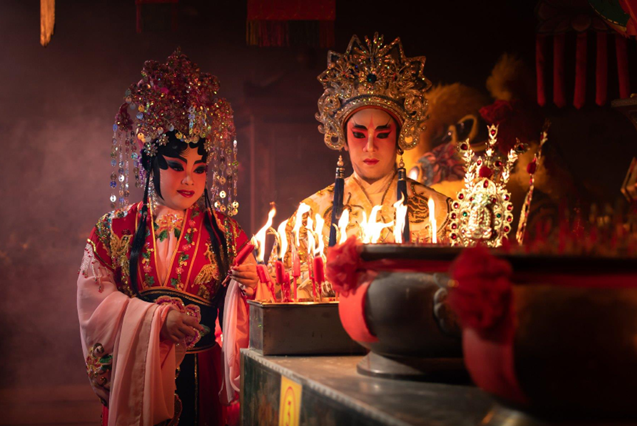
    In the evening, a performance of Sichuan opera, “Shufeng Yayun”: face changing, fire breathing and the best numbers of classical opera. Instant face changing and fire are the hallmarks of Sichuan opera.

    Meals: breakfast, lunch, dinner.

    A full day trip to Leshan, to the Giant Buddha. The 71-meter statue of the Maitreya Buddha was carved into a cliff above the confluence of three rivers, the Min, the Qingyi and the Dadu. The work was begun by the monk Haitong, who believed that the Buddha would calm the turbulent waters in which boats were wrecked. The statue was completed in 803.

    It is the largest stone statue of the Buddha in the world: the ears alone are 7 meters, the fingers 8.3 meters. Inside the statue, a hidden drainage system was built from the very beginning, and it still works today.

    Since 1996 the Giant Buddha, together with Mount Emei, has been a UNESCO World Heritage Site. In the evening we return to Chengdu.

    Meals: breakfast, lunch, dinner.

    Breakfast at the hotel and an individual transfer to the Chengdu airport or railway station for your departure.

    Chengdu is one of those cities you want to return to as soon as you leave. So this is not goodbye, but see you again.

    Meals: breakfast.

    Frequently Asked Questions

    Have questions about tours, bookings, or documents? We've gathered answers to the most common questions to make your trip as smooth and worry-free as possible.

    • 14. How flexible is the itinerary, and how much free time will we have?

      The tour is rich in experiences, but in some evenings you’ll have free time to rest or explore independently without disrupting the schedule.

    • 15. What are the baggage rules for domestic flights?

      Typically, one checked bag of 15–23 kg and one carry-on up to 8 kg are allowed. Limits vary by airline, but we’ll provide all details in advance.

    • 16. What is the role of the guide?

      You’ll be accompanied by a tour leader responsible for organization and logistics. In each city or national park, local professional guides will provide in-depth knowledge and unique insights.

    • 17. Are there opportunities for photography, and can I use drones?

      Yes, there will be countless photo opportunities, and guides will recommend the best spots. However, drones are prohibited in most national parks, including Iguazú and Los Glaciares.

    • 18. What climate should we expect, and what clothing should we bring?

      Your trip takes place in Argentine spring/fall, but climates vary greatly along the route. Dress in layers: warm clothes and windbreakers for Patagonia, light breathable clothing for the hot, humid Iguazú tropics, and warm, sun-protective gear for the high-altitude Puna.

    • 19. What’s the best way to exchange money?

      The local currency is the Argentine peso (ARS). We recommend bringing cash in USD or EUR to exchange at the favorable “blue” rate. In remote regions, especially in the north, cash may be the only payment option. We’ll help with exchanges upon arrival.

    • 20. What are the main safety rules?

      Argentina, like much of Latin America, has higher crime rates than Europe, mostly petty theft. By following simple precautions, you’ll stay safe:
      • Avoid wearing expensive jewelry or watches.
      • Always keep an eye on your bag, especially in crowds and on public transport.
      • Use hotel safes for valuables.
      • Avoid visiting unsafe neighborhoods (“villas”) or walking alone at night in poorly lit areas.

    • 21. In what language will the tour be conducted?

      Local guides speak English and Spanish. The tour leader speaks Russian, Spanish, and English, and will provide translation into Russian if needed.

    • 22. Do I need a visa for Argentina?

      Visa requirements depend on your nationality. For citizens of the USA, EU, and most CIS countries (including Russia), a tourist visa is not required for stays up to 90 days. Please always check the latest requirements for your country.

    • 23. What are the tipping rules in Argentina?

      Tipping is expected but not mandatory. In restaurants, 10% is customary. In cafés, small change is fine. Taxi drivers don’t expect tips, but rounding up is common.

    • 24. Do I need any vaccines?

      No vaccines are mandatory for entry. However, since the trip includes the tropical Iguazú region, the WHO recommends vaccination against yellow fever.

    • 25. Is travel insurance mandatory?

      It is not required for entry into Argentina, but we strongly recommend purchasing it for your safety and peace of mind.

    • 26. What about electricity and connectivity?

      Argentina uses 220V and Type I plugs (three flat prongs). Bring a universal adapter. Wi-Fi is available in most hotels, though coverage may be weak in remote areas (Puna, El Chaltén). A local SIM card is recommended for reliable mobile connection.

    • 27. What souvenirs can I bring back from Argentina?

      Argentina is famous for leather goods, wine, mate sets, and sweets such as dulce de leche. In the highlands, you’ll also find beautiful wool products.

    Order a free consultation