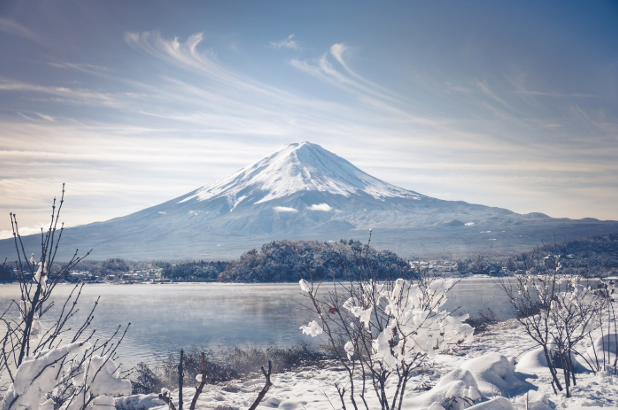
Eleven days with a Russian-speaking guide: the New Year countdown in Shinjuku and the first temple visit of the year, a ryokan with views of Mount Fuji, the wineries of Yamanashi, Matsumoto Castle, the mountain town of Takayama and wintry Kyoto.

Your guide will be with you throughout the journey, and a transport card, a rail pass and mobile internet are already included in the price.

    • Tour Type: Group, guided
    • Duration: 11 days
    • Excursions: 9
    • Difficulty: easy
    • Season: winter, New Year
    • Meals: breakfast daily, 1 dinner
    • Transportation: airport – hotel
    • Accommodation: 3* hotels, ryokan


    Upcoming Tour Dates

    dec
    30
    December 30, 2026


    What’s Included:

    • Group excursions with a Russian-speaking guide
      as per the programme
    • Hotel accommodation as per the programme,
      with breakfast
    • 1 dinner as per the programme
    • Shared shuttle transfer from the airport to
      the hotel
    • 7-day travel pass
    • ICOCA transport card
    • Pocket Wi-Fi router

    What’s Not Included:

    • International flights
    • Entrance fees
    • Trip cancellation insurance
    • Meals not listed in the programme
    • Personal expenses


    Why Choose This Tour?

    Celebrate like the Japanese. The countdown in Shinjuku and hatsumode – the first temple visit in the opening hours of the new year.

    Ryokan and onsen. A night at a traditional inn, a kaiseki dinner and hot springs overlooking Mount Fuji and the vineyards.

    Mountain Japan. Matsumoto Castle, Zenko-ji temple and the old streets of Takayama, which have kept their Edo-period look.

    Your guide is always at hand. A flexible programme: depending on the weather, your guide will choose the best plan for the day


    A detailed daily tour

    Eleven unforgettable days across Japan, from the New Year countdown in Shinjuku and the first temple visit of the year to a ryokan with views of Mount Fuji, the wineries of Yamanashi, Matsumoto Castle, the mountain town of Takayama and wintry Kyoto. Detailed day-by-day itinerary, nine guided excursions, a 7-day travel pass, an ICOCA transport card and pocket Wi-Fi included, and comfortable small-group travel.

    3500 € Per person

    Tour Program

    Arrival in Tokyo and transfer to your hotel. We recommend choosing a flight that lands no earlier than 13:00, as Japanese hotels check guests in from 15:00. But a very late flight won’t work either – otherwise you will miss the first walk.

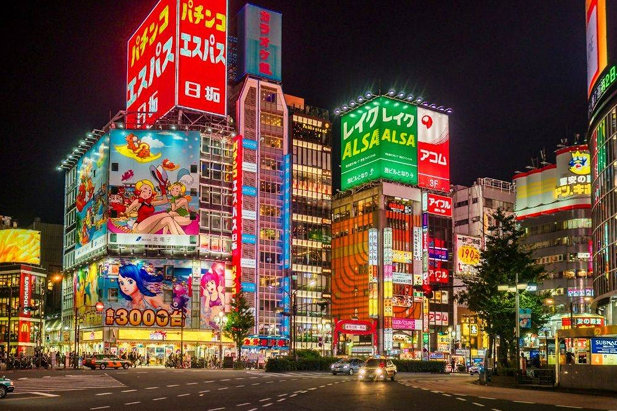
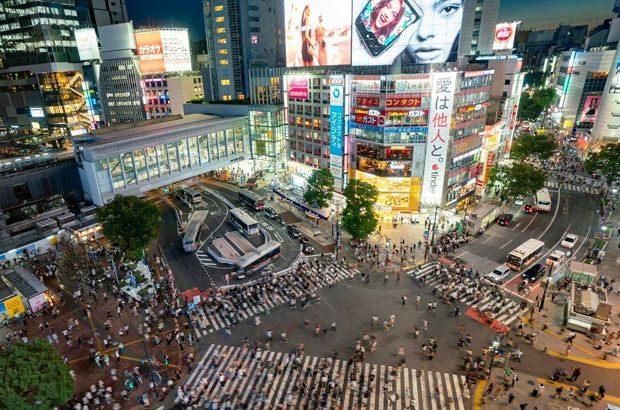
    At around 19:00 the group gathers in the hotel lobby: you will meet your guide and fellow travellers, and your guide will talk you through the programme. Then you will set off on your first evening walk around Shibuya: skyscrapers, neon signs, the famous crossing where more than a thousand people cross on a single green light, and the statue of the faithful dog Hachiko. The evening ends with dinner

    You will spend the last day of the year exploring Tokyo on the eve of the holiday, and in the evening you will see in the New Year in Shinjuku with the countdown.

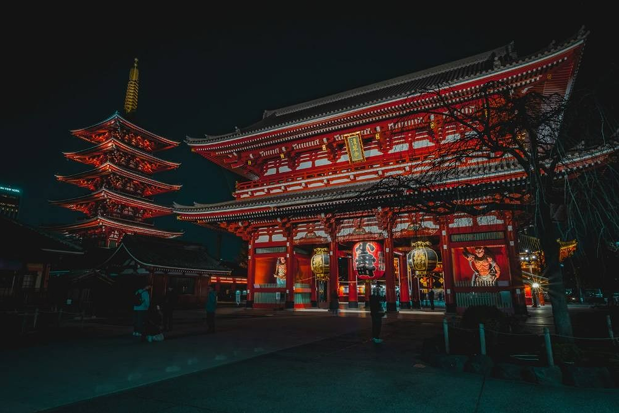
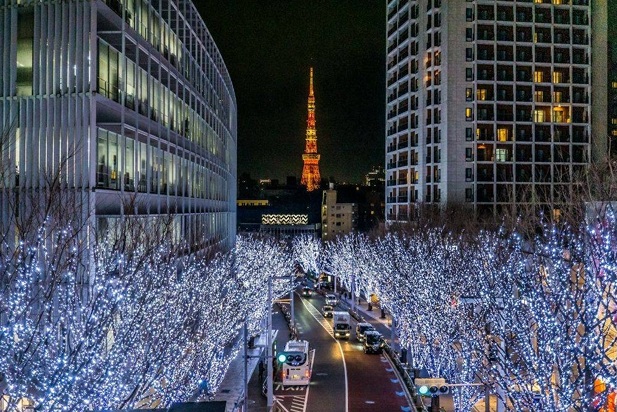
    During the night and early morning of 1 January you will observe Japan’s most important New Year tradition – hatsumode, the first temple visit of the year. Depending on where it is less crowded, you will go either to Senso ji, Tokyo’s oldest temple, or to Zojo-ji at the foot of Tokyo Tower – the family temple of the Tokugawa shoguns, six of whom are buried there; its main gate, Sangedatsumon, was built in 1622.

    On New Year’s Eve, Japanese temples ring their bells 108 times – one for each of the earthly passions that cloud the human mind; each stroke is believed to free you from one of them. And for good luck, people write wishes on wooden ema plaques and buy new omamori amulets.

    The morning is set aside for resting after New Year’s Eve.

    In the afternoon you will continue exploring Tokyo with a visit to Akihabara. The district takes its name from the Akiba shrine, built here in 1870 to protect against fires. After the war a market for radio parts sprang up here and the area became known as “Electric Town”; today it is the capital of anime, manga and video games.

    In the evening you will ride up to the Tokyo City View observation deck on the 52nd floor of Mori Tower in Roppongi Hills to see the lights of the capital. At the foot of the tower stands Louise Bourgeois’s almost ten metre-tall bronze spider “Maman”.

    Today you choose one of two day trips.

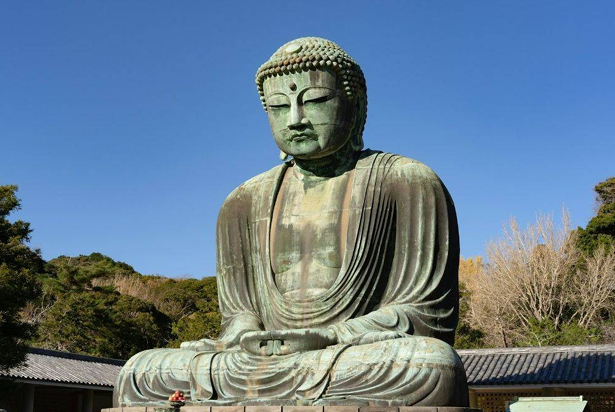
    Kamakura was the capital of Japan’s first shogunate, founded at the end of the 12th century. Engaku-ji temple was founded in 1282 by the regent Hojo Tokimune, who repelled the Mongol invasions, in memory of the fallen on both sides. Its great bell, cast in 1301, is the largest temple bell in the Kanto region. You will then visit the city’s principal shrine, Tsurugaoka Hachimangu, and Hokoku-ji temple, with its grove of more than two thousand bamboo stalks and a tea pavilion serving matcha.

    Nikko means the magnificent Toshogu complex, where the shogun Tokugawa Ieyasu is enshrined as a deity and buried: hundreds of carved figures on the Yomeimon gate, the “Sleeping Cat” and the three wise monkeys. The shrines and temples of Nikko have been on the UNESCO list since 1999, and all around are mountain scenery and small shrines.

    You will travel to Fuefuki in Yamanashi Prefecture and check in to a ryokan, a traditional Japanese inn. The Isawa Onsen resort came about by surprise: in January 1961 hot water burst out of the ground in the middle of
    a vineyard.

    You will soak in natural mountain hot springs overlooking the vineyards of Yamanashi and Mount Fuji. The mountain stands 3,776 metres high, and in 2013 Fuji was added to the UNESCO list as a “place of worship and
    source of artistic inspiration”. You will spend the evening at the ryokan over a traditional kaiseki dinner of many successive courses.

    Because of cloud, Mount Fuji is not visible every day.

    In the morning you will enjoy a tasting at one of the wineries of Yamanashi, the birthplace of Japanese wine: one of the country’s first wine companies was founded here in 1877. The local koshu grape has some thousand years of history, and in 2013 “Yamanashi” became Japan’s first geographical indication for wine.

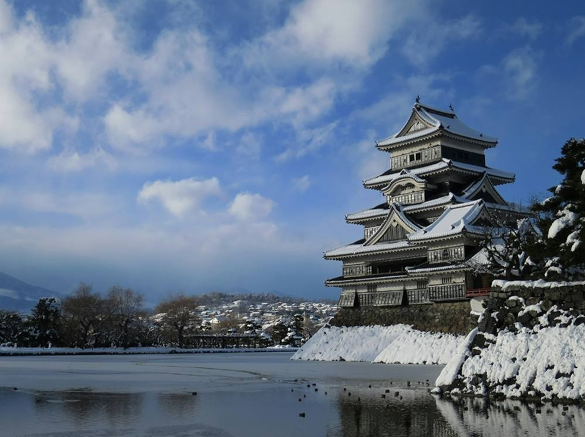
    Then you will explore Matsumoto Castle, one of the five castles in Japan designated a National Treasure. Its main keep was built in 1593–1594: from outside it has five tiers, but inside there are six floors, one of them hidden from view. Its black walls earned it the nickname “Crow Castle”. Afterwards you will stroll through old lanes lined with souvenir shops.

    In the evening you will travel on to Nagano.

    In the morning you will visit Zenko-ji temple, founded in the 7th century. Legend has it that it holds the first Buddhist statue ever brought to Japan, though no one has seen it since 654. Beneath the main hall runs an underground passage: people walk through it in total darkness, feeling their way in search of the “key to enlightenment”. Afterwards you will stroll along the shopping street by the temple.

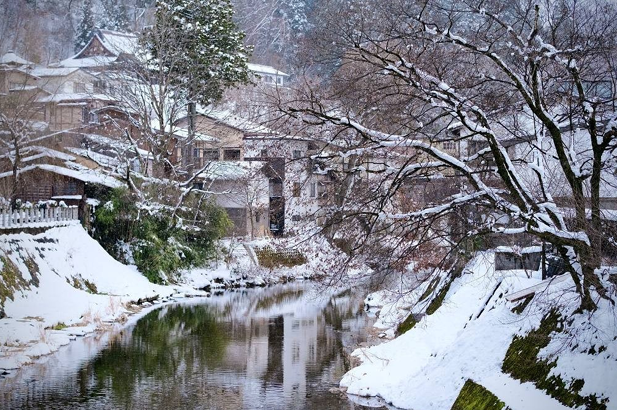
    In the afternoon you will travel on to the mountain town of Takayama and walk the old streets of the Sanmachi district, which has kept its Edo-period look. In 1692 the Hida region came under the direct rule of the shogunate for the sake of its valuable timber, and seven sake breweries, each more than a hundred years old, still operate in the old town. They are easy to spot by the balls of cedar branches hanging above their entrances.

    Today you travel to Kyoto. If it snows, you will stop off on the way in Gifu to admire the snow-covered castle on Mount Kinka: in 1567 Oda Nobunaga captured it, gave the town and the castle the name Gifu, and from here began the unification of Japan. If there is no snow, the group will go straight to Kyoto.

    Once you have checked in to your hotel, towards evening you will head to Fushimi Inari Taisha, the head shrine of some 30,000 Inari shrines. The path up the sacred mountain is marked by around 10,000 vermilion torii gates, and foxes – the messengers of Inari – stand all around the shrine.

    The day’s programme will be chosen according to the weather.

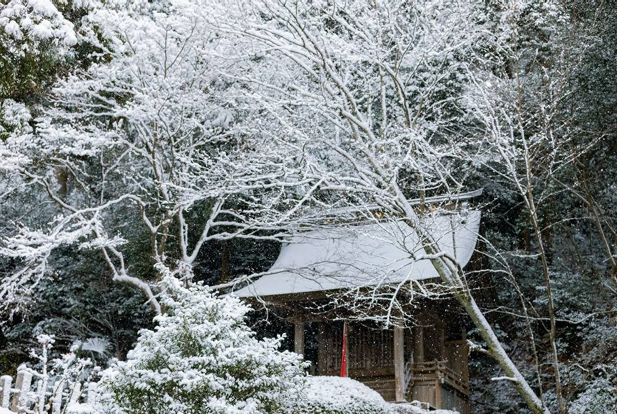
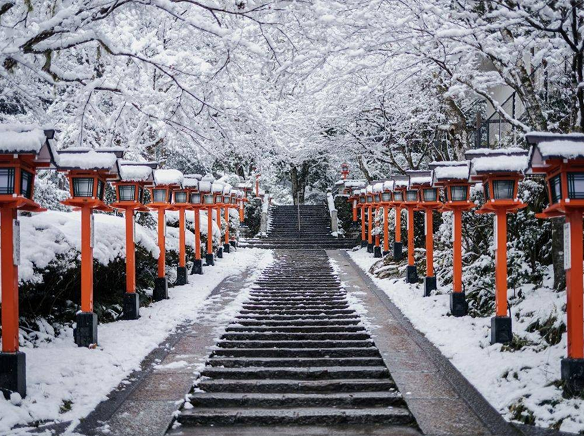
    Kibune and Kurama. Kibune shrine is dedicated to the god of water. A stone staircase lined with red lanterns leads to the main hall, and at the sacred spring you can have your fortune told by water: a prediction appears on a slip of paper. The history of Kurama-dera temple goes back to 770; legend has it that the future warlord Minamoto no Yoshitsune spent his childhood here and was taught swordsmanship by the king of the tengu mountain spirits.

    Nara. A walk among sacred deer and ancient temples in one of Japan’s oldest capitals: Nara was the capital in 710–784, and its monuments are UNESCO World Heritage Sites.

    In the morning you will travel back to Tokyo and check in to your hotel. The rest of the day is free: shopping, your
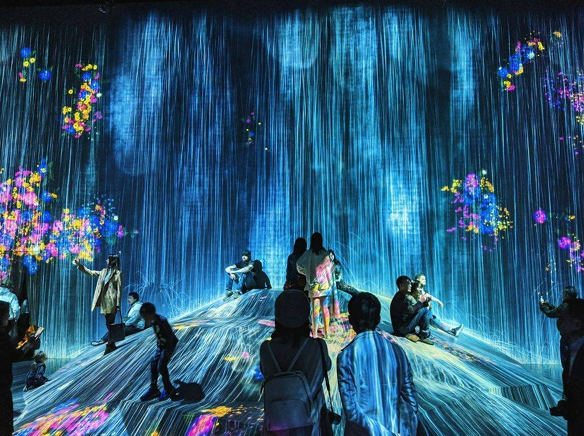
    favourite neighbourhoods or, for example, the teamLab Planets digital art museum, where you walk barefoot
    through the rooms, in places wading through water, or the Harry Potter studio tour.

    Departure from Tokyo. We hope Japan has given you a wealth of vivid memories. Until we meet again on your
    next journey with Dallure!

    Order a free consultation