New Year holidays in Japan: ring in the New Year in Tokyo with traditional noodles and Japanese drummers, make the first temple visit of the year in Nikko, soak in the hot springs of Kinugawa, then discover wintry Kyoto and the snow monkeys of Jigokudani.

The programme includes eight excursions with a Russian-speaking guide, three lunches and two dinners, and journeys by bullet train.

    • Tour Type: Group
    • Duration: 12 days
    • Excursions: 8 guided
    • Difficulty: easy
    • Season: winter, New Year
    • Meals: breakfast daily, 3 lunches, 2 dinners
    • Transportation: airport – hotel – airport
    • Accommodation: 2*–3* hotels


    Upcoming Tour Dates

    dec
    29
    December 29, 2026


    What’s Included:

    • Shared shuttle transfer: airport – hotel – airport
    • Hotel accommodation as per the programme, with breakfast
    • 8 group excursions with a Russian-speaking guide,
      entrance fees included
    • 3 lunches and 2 dinners as per the programme
    • Train tickets as per the programme
    • Transport during excursions
    • Medical insurance

    What’s Not Included:

    • International flights
    • City accommodation tax and onsen tax
    • Optional excursions
    • Personal expenses


    Why Choose This Tour?

    A Japanese New Year. A festive night at a Tokyo restaurant, a traditional New Year breakfast and hatsumode – the first temple visit of the new year.

    Winter wonders. The onsen of Kinugawa, a begonia garden and strawberry picking in the depths of winter, and snow monkeys bathing in hot springs.

    Classic Japan. Tokyo, Kyoto, Arashiyama, Nagoya Castle and Zenko-ji temple.

    The essentials are included. Medical insurance, train tickets and eight excursions with entrance fees.


    A detailed daily tour

    Twelve unforgettable days across Japan, from a New Year’s Eve with toshikoshi soba and Japanese drummers in Tokyo to the first temple visit of the year in Nikko, the hot springs of Kinugawa, wintry Kyoto, Nagoya Castle and the snow monkeys of Jigokudani. Detailed day-by-day itinerary, eight guided excursions with entrance fees, bullet train tickets included, and comfortable small-group travel.

    4300 € Per person

    Tour Program

    At Narita or Haneda airport a driver will meet you and take you to your hotel by shuttle. Rooms are available
    from 16:00, so you can spend a quiet first evening recovering from the flight, or set out on your first stroll
    through this vast city, where ancient temples stand side by side with skyscrapers.

    Optional: “Tokyo by Night” tour

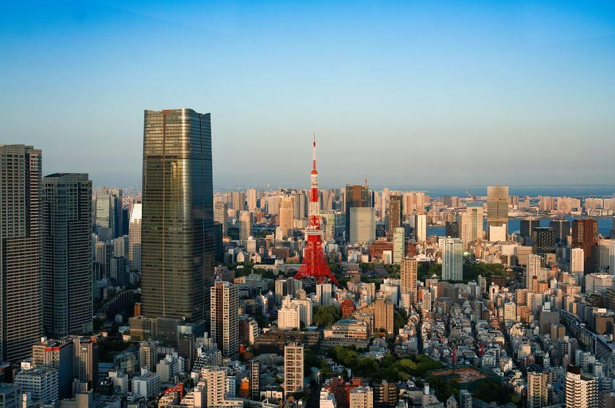
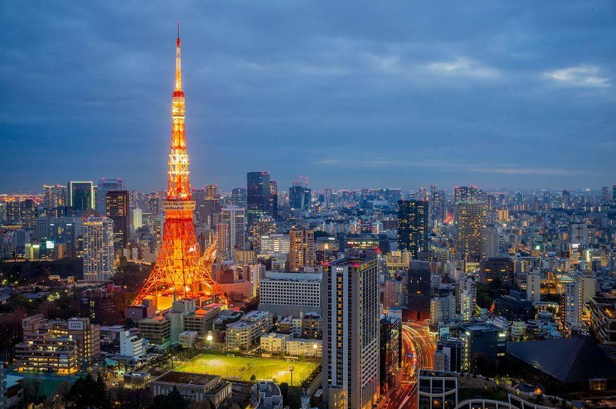
    At around 16:00 your guide will meet you in the hotel lobby and show you the capital by night. The highlight is the 333-metre Tokyo Tower. It opened in 1958 and was modelled on the Eiffel Tower. From its observation deck, 150 metres up, the whole city is spread out before you. Then you will stroll along Ginza, the street of the most expensive shops. Its name means “silver mint”: the mint was moved here in 1612. Ginza is home to the Kabuki-za theatre (the current building, designed by Kengo Kuma, echoes the 1924 façade) and Tsukiji Hongan-ji, a temple built in 1934 in the style of ancient Indian Buddhist architecture. The evening ends at the teamLab digital art museum. This excursion can only be booked together with the tour and is not included in its price. It is designed for guests arriving no later than 13:00.

    Your Russian-speaking guide will meet you in the hotel lobby. First you will see the red-brick Tokyo Station,
    designed by Tatsuno Kingo and opened in 1914, then walk through the Marunouchi business district between
    the station and the Imperial Palace moat and stop for photos at the Nijubashi bridge. The name “double bridge” comes from a wooden Edo-period bridge that stood on two-tier supports.

    Meiji Jingu shrine was founded in 1920 in honour of Emperor Meiji and Empress Shoken; the forest around it is man-made – some 100,000 trees were sent from all over Japan. From there you will head to Shibuya, to the statue of the faithful dog Hachiko and the famous crossing.

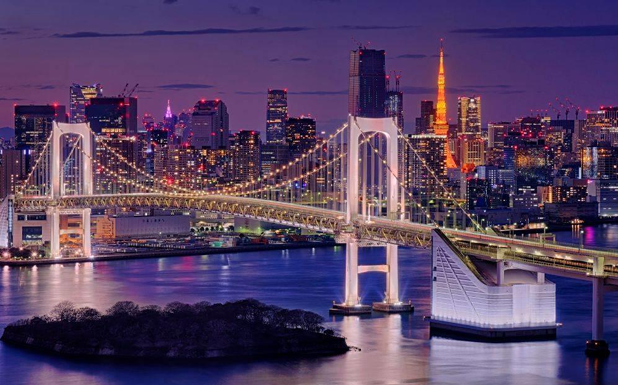
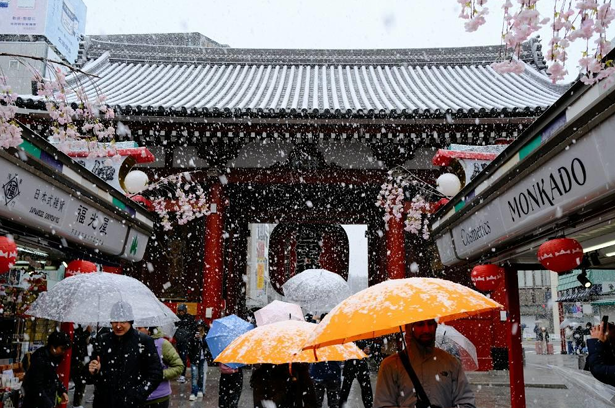
    After lunch at a restaurant you will visit Asakusa and see Senso-ji temple, said to have been founded in 628, the Kaminarimon gate with its huge red lantern, and Nakamise-dori, a shopping street full of souvenirs and sweets. At a tea ceremony you will try making matcha yourself. In the evening you will set off for the island of Odaiba: it offers the best view of Tokyo by night across the bay, and nearby stand the Rainbow Bridge and a replica of the Statue of Liberty. It was installed here in 2000, after the Paris statue had been brought here in 1998.

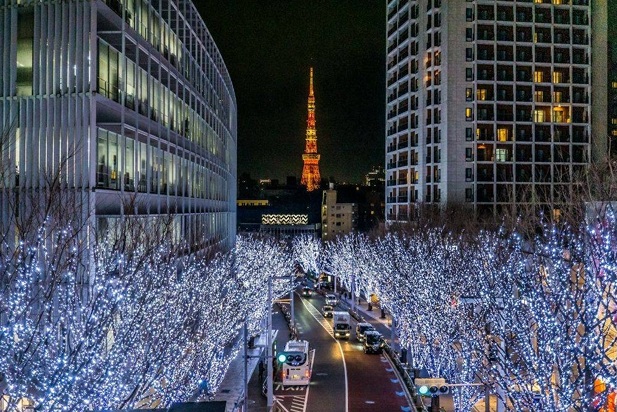
    At around 19:00 your guide will meet you in the hotel lobby. The evening begins in Marunouchi, decked out in festive illuminations, and continues in Harajuku, the heart of youth fashion and “kawaii” culture. Then you will move on to Roppongi, home to Louise Bourgeois’s almost ten-metre-tall bronze spider “Maman”, and ride up to an observation deck overlooking Tokyo by night.

    At 23:00 the New Year programme begins at Gonpachi restaurant in Nishi-Azabu, whose interior inspired Quentin Tarantino’s set for “Kill Bill”. You will be treated to traditional New Year toshikoshi soba (long noodles symbolise a wish for a long life), light bites – tempura and yakitori – and three drinks of your choice. A show by Japanese drummers echoes the 108 strokes of the temple bell with which Japan welcomes the New Year: each stroke is believed to free you from one of the 108 earthly passions. You will greet midnight with a glass of champagne.

    The programme ends at around 1:00, and you will return to your hotel by public transport.

    In the first days of the year, breakfast features dishes from the New Year osechi ryori table – be sure to try them. Sweet black kuromame beans stand for a wish of good health, herring roe (kazunoko) for many descendants, golden kuri kinton – sweet potato purée with chestnuts – for wealth, and prawns with curved backs for a long life.

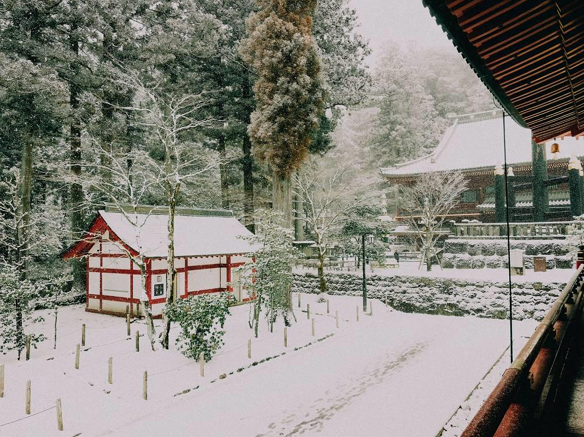
    At around 10:00 you check out with your luggage and travel with your guide to Nikko; the drive takes about two hours. The shrines and temples of Nikko have been on the UNESCO list since 1999, and the Yomeimon gate of Toshogu shrine, where the shogun Tokugawa Ieyasu is enshrined as a deity, is adorned with hundreds of carved figures. In the first days of the year the Japanese make hatsumode, the first temple visit of the year: they write wishes on wooden ema plaques, buy new omamori amulets and bring the old ones back to the temple. The shrines are crowded at this time, and with luck you will see Japanese people in traditional dress.

    At around 15:00 you will check in to your hotel in Kinugawa Onsen. The hot spring here was discovered in 1691, and in the Edo period only feudal lords and monks visiting Nikko were allowed to bathe in it. In the evening, the hot springs and dinner at the hotel await you.

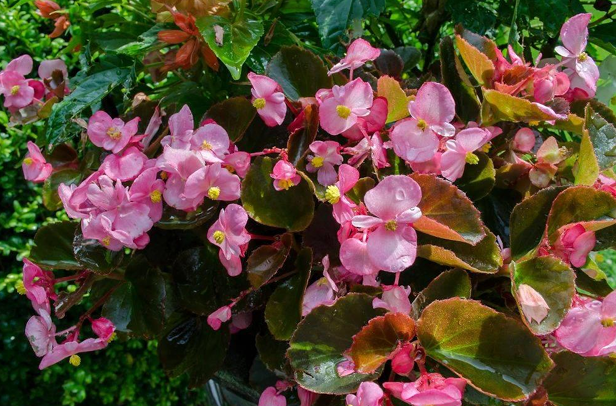
    You check out of the hotel and meet your guide. The first stop is the Hana Ichimonme begonia garden: hundreds of begonia varieties bloom in its greenhouses all year round, making it a true paradise garden in the middle of winter. It is said that if you give someone flowers, your wish will come true. You can also try the local begonia ice cream here (at your own expense).

    Next you will pick strawberries straight from the beds: in Japan strawberries are a symbol of Christmas, and choosing the berries yourself is especially delightful. Lunch is at a local restaurant.

    Afterwards you will travel to Tokyo Station, where your guide will see you onto the train, and at around 18:00 you will set off on your own for Kyoto aboard the Nozomi shinkansen. Hotels in Kyoto are a few minutes’ walk from the station.

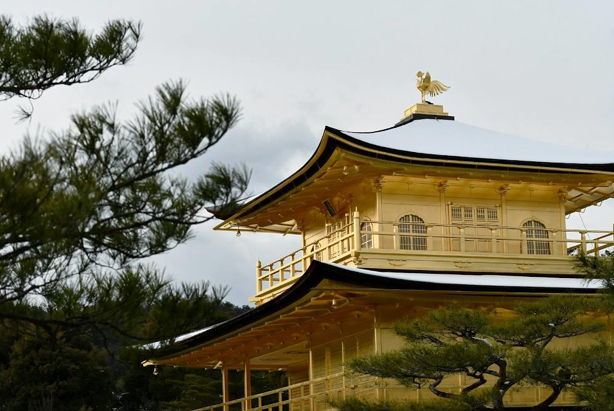
    From 794, Kyoto was the capital of Japan for more than a thousand years. The tour begins at the Golden Pavilion, Kinkaku-ji, once the estate of the shogun Ashikaga Yoshimitsu: three storeys in three different styles, gold leaf and a phoenix on the roof. At Ryoan-ji temple you will see the famous garden of 15 stones on white gravel: wherever you stand on the veranda, at least one stone is always hidden.

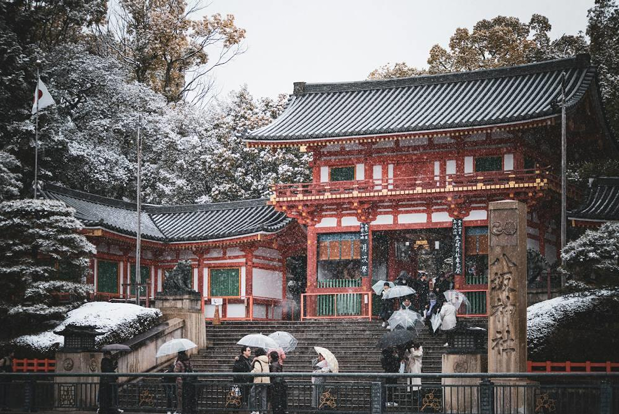
    Sanjusangen-do temple – the “hall of 33 bays”, some 120 metres long – houses a thousand statues of the thousand-armed Kannon; the hall and all its statues are designated National Treasures. After a buffet lunch you will stroll through the geisha quarter of Gion, with its wooden machiya townhouses, and along an old street of
    souvenir shops in the Higashiyama district.

    The day is free for exploring Kyoto at your own pace. Or you can join a guide on a trip to Nara and Osaka.

    Optional: “Nara – Osaka” tour

    From 710 to 784 Nara was the capital of Japan. Nara Park is home to hundreds of tame deer – messengers of the gods, according to legend – and Todai-ji temple houses the almost fifteen-metre bronze Great Buddha, unveiled in 752.

    After lunch you will head to Osaka: you will walk along the old Hozenji Yokocho alley with its moss-covered statue of Fudo, follow the street beside the Dotonbori canal and make your way to Osaka Castle, which Toyotomi Hideyoshi began building in 1583.

    This excursion is booked together with the tour and is not included in its price.

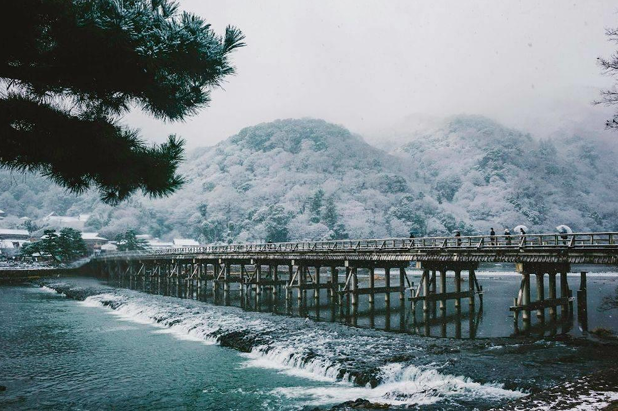
    You check out and leave your luggage in the hotel’s storage room. Together with your guide you will travel to Arashiyama, a district of stunning scenery, old houses and World Heritage sites. The rustle of its bamboo grove is on the list of “100 Soundscapes of Japan to Be Preserved”. Tenryu-ji temple, founded in 1339, ranks first among the five great Zen temples of Kyoto, and the 155 metre Togetsukyo bridge offers views of the mountains and the river.

    At around 14:00 you will return to the hotel for your luggage, your guide will see you onto the train, and you will travel on to Nagoya on your own. Hotels are a few minutes’ walk from the station.

    Your luggage stays in storage while you and your guide head to the Toyota Commemorative Museum of Industry and Technology. It occupies the red-brick buildings of the weaving mill that Sakichi Toyoda opened here in 1911. In 1924 Toyoda created an automatic loom, and in 1933 his son Kiichiro set up an automobile department within the company – and so Toyota grew out of the weaving business.

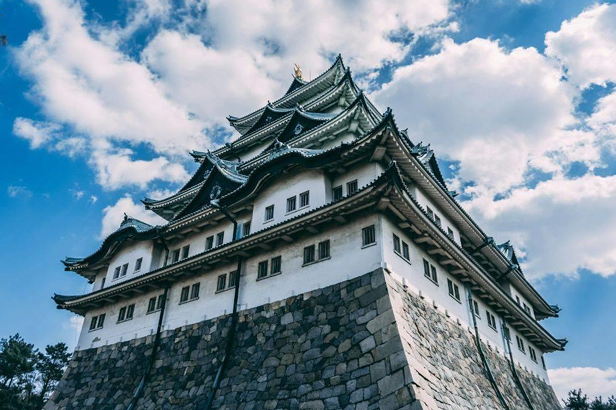
    Construction of Nagoya Castle began in 1610 on the orders of Tokugawa Ieyasu. The roof of the main keep is crowned with golden shachihoko – mythical tiger-headed fish that have become the symbol of the city. In 1945 the castle burned down in an air raid, but the palace paintings had been removed in time and survived. The Honmaru Palace took about ten years to rebuild from Edo-period plans and opened in 2018.

    Then you will collect your bags from the hotel and at around 14:30 travel on your own by train to Nagano. Hotels are a few minutes’ walk from the station.

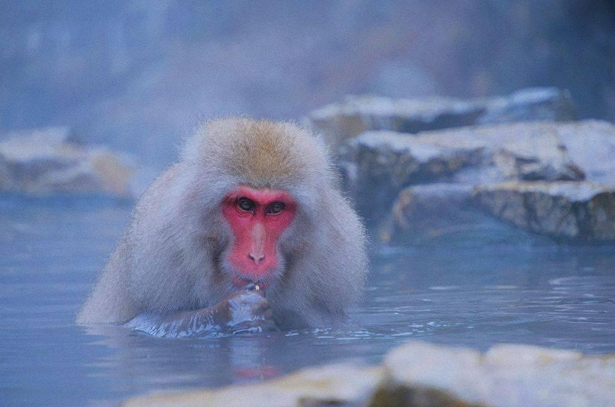
    You check out with your luggage and meet your guide. Today you will see the Jigokudani valley – “Hell’s Valley”, named for its sheer cliffs and the hot springs that gush up from the ground. Since 1964 it has been home to the world-famous monkey park, where Japanese macaques warm themselves in the hot springs to escape the harsh snowy winter. A footpath through a cedar forest leads to the park.

    Then you will go on to Zenko-ji temple, founded in the 7th century. Legend has it that it holds the first Buddhist statue ever brought to Japan, though no one has seen it since 654. Beneath the main hall runs an underground passage: people walk through it in total darkness, feeling their way in search of the “key to paradise” – whoever touches it is believed to attain salvation. A street of shops selling local delicacies stretches out by the temple.

    At around 17:00 you will travel on your own to Tokyo by shinkansen. From the station you can reach your hotel on foot, by public transport or by taxi – we will send you the route in advance.

    A free day: wander, shop and say goodbye to Tokyo at your own pace.

    Please check out by 10:00. The shuttle will pick you up at the hotel entrance and take you to the airport for your flight. We hope Japan has given you a wealth of vivid memories. Until we meet again on your next journey with Dallure!

    Order a free consultation