Twelve days with a Russian-speaking guide at the height of cherry blossom season: Tokyo and Kamakura, the deer of Nara, the temples of Kyoto, hanami beneath the walls of a samurai castle, the White Heron Castle and the gate of Miyajima standing right in the sea


Your guide will be with you throughout the journey, and a night in a traditional ryokan with hot springs is sure to become one of your most vivid memories.

    • Tour Type: group, guide 24/7
    • Duration: 12 days
    • Excursions: 9
    • Difficulty: easy
    • Season: spring, cherry blossom
    • Meals: breakfast daily, 1 dinner
    • Transportation: airport – hotel
    • Accommodation: 3* hotels, ryokan


    Upcoming Tour Dates

    mar
    23
    March 23, 2027


    What’s Included:

    • Russian-speaking guide 24/7
    • The full excursion programme
    • Hotel accommodation as per the programme,
      with breakfast
    • A night in a ryokan with kaiseki dinner
    • Transfer from the airport to the hotel
    • ICOCA transport card
    • Mobile internet router (up to 5 devices)
    • Insurance

    What’s Not Included:

    • International flights
    • Meals not listed in the programme
    • Personal expenses


    Why Choose This Tour?

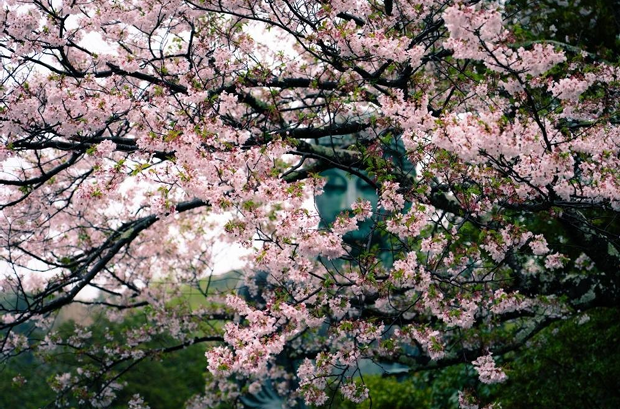
    Cherry blossom at its finest. Ueno Park, the temples of Kyoto, a picnic beneath the cherry trees at Fushimi Momoyama Castle and Himeji Castle in bloom.

    Your guide is always close by. A Russian-speaking guide stays with the group around the clock – from the first evening stroll to the very last day.

    The real Japan. A tea ceremony, tea and sake tasting in Uji, a stroll through old Kyoto in a kimono, conveyor belt sushi and a night in a ryokan.

    Everything is taken care of. An ICOCA transport card, mobile internet and the entire excursion programme are included in the price.


    A detailed daily tour

    Twelve unforgettable days across Japan, from a New Year’s Eve with toshikoshi soba and Japanese drummers in Tokyo to the first temple visit of the year in Nikko, the hot springs of Kinugawa, wintry Kyoto, Nagoya Castle and the snow monkeys of Jigokudani. Detailed day-by-day itinerary, eight guided excursions with entrance fees, bullet train tickets included, and comfortable small-group travel.

    3500 € Per person

    Tour Program

    Arrival in Tokyo and transfer to your hotel. We recommend choosing a flight that lands no earlier than 13:00, as Japanese hotels check guests in from 15:00. A very late flight won’t work either, though – otherwise you’ll miss the first walk.

    At around 19:00 the group gathers in the hotel lobby: you’ll meet your guide and fellow travellers, and the guide
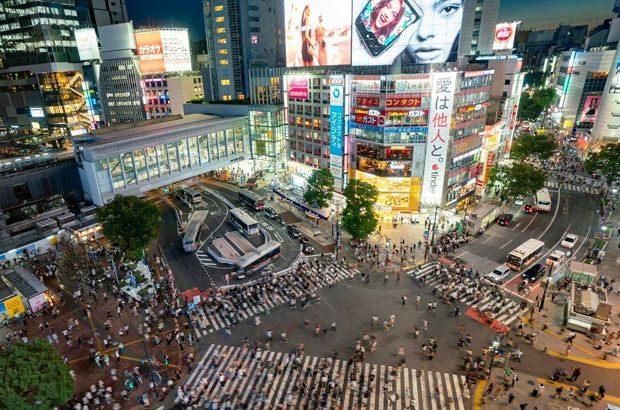
    will talk you through the programme. Then comes your first evening stroll through Shibuya – skyscrapers, neon
    signs and the famous crossing where more than a thousand people cross on a single green light. Here, too,
    stands the statue of Hachiko, the faithful dog who came to the station for almost ten years to wait for his late
    master. His first statue was put up in 1934, while Hachiko was still alive.

    You’ll spend the morning in Ueno Park, one of Japan’s first public parks, opened in 1873. Some 800 cherry trees line its main avenue, and in spring the whole of Tokyo comes here. In the park you’ll visit two temples and get to know Japan’s religions: the Shinto shrine Ueno Toshogu, built in 1627 in honour of the shogun Tokugawa Ieyasu and adorned with gold leaf, and the Buddhist temple Benten-do on an island in the middle of Shinobazu Pond. The monk Tenkai conceived this pond as a likeness of the great Lake Biwa.

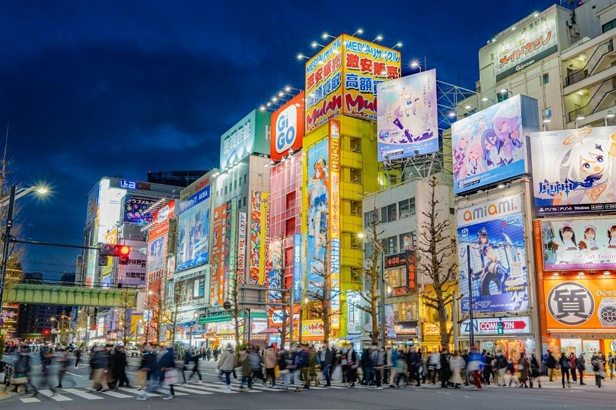
    From there you’ll head to Asakusa and Senso-ji, Tokyo’s oldest temple. Legend has it that its story began in 628 with a statuette of Kannon that fishermen found in the river. After a wander through the lanes of souvenir stalls, you’ll go for lunch in Akihabara, “Electric Town”. After the war a market for radio parts sprang up here; today it is the capital of anime, manga and video games.

    In the afternoon you’ll see Kabukicho, Shinjuku’s nightlife district. A Godzilla head some 12 metres tall towers above it, and by the station the famous 3D cat gazes down at passers-by from a giant curved screen. The day ends in Golden Gai, where more than two hundred tiny bars, each seating just five or six, are packed into six narrow alleys that preserve the look of 1950s Tokyo.

    In the morning you’ll travel to Kamakura, where at the end of the 12th century Minamoto no Yoritomo established Japan’s first samurai military government. The symbol of the city is the Great Buddha of Kotoku in, a bronze statue of Amida Buddha some 11 metres tall and weighing about 121 tonnes. Work on it began in 1252, and since the late 15th century, when the elements destroyed its hall, the Buddha has sat in the open air.

    Hase-dera, said to have been founded in 736, is famous for its beautiful gardens, sea views and nine-metre statue of the eleven-headed Kannon – one of the largest wooden statues in Japan. A tunnel of red torii gates leads to Sasuke Inari Shrine, surrounded by countless fox figurines. At Zeniarai Benten an old custom has people washing their money in a spring, which is believed to make it multiply. If you wish, you can also call in at the city’s principal shrine, Tsurugaoka Hachimangu.

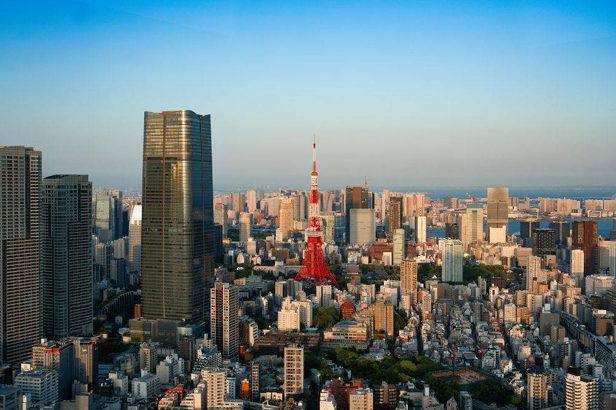
    After lunch and some free time you’ll return to Tokyo and ride up to the Tokyo City View observation deck on the 52nd floor of Mori Tower in Roppongi Hills to see the city at night from above. At the foot of the tower stands “Maman”, a bronze spider almost ten metres tall – Louise Bourgeois dedicated the sculpture to her mother.

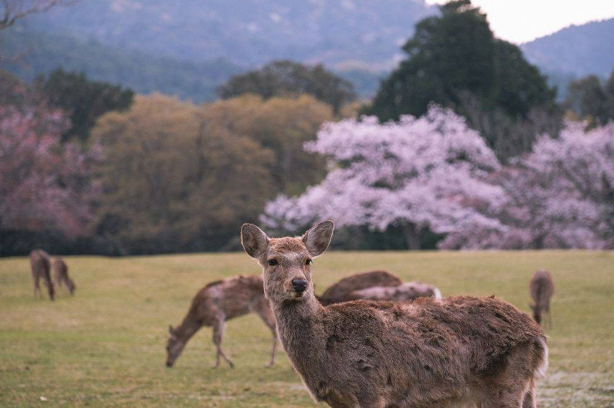
    In the morning you’ll travel to Nara, Japan’s capital in 710–784, and stroll among its sacred deer. Legend has it that the god Takemikazuchi arrived here riding a white deer, and ever since the deer have been revered as messengers of the gods. At Todai-ji you’ll see the Great Buddha, almost 15 metres tall and unveiled in 752; its hall is one of the largest wooden buildings in the world.

    Kasuga Taisha was founded in 768 as the clan shrine of the powerful Fujiwara family. Some three thousand stone and bronze lanterns donated by worshippers line its paths, and by tradition its buildings are renewed every twenty years.

    After lunch you’ll move on to Osaka, check in to your hotel and spend the evening exploring Namba, one of the city’s liveliest districts.

    The morning begins at Sanjusangen-do, the “hall of 33 bays”, some 120 metres long. It houses a thousand statues of the thousand-armed Kannon and one large seated figure; 124 of them survived the fire of 1249, and the hall and all its statues are designated National Treasures. Next you’ll head to Kiyomizu-dera (“Pure Water”), founded in 778 beside the Otowa spring, which still flows today. Its wooden stage, about 13 metres high, rests on pillars joined without a single nail.

    If you like, you can put on a kimono and stroll through the ancient Higashiyama district. An old superstition holds that anyone who falls on the Sannenzaka slope will live no more than three years – a way of teaching people to watch their step on the steep stairs. After lunch you’ll have some free time.

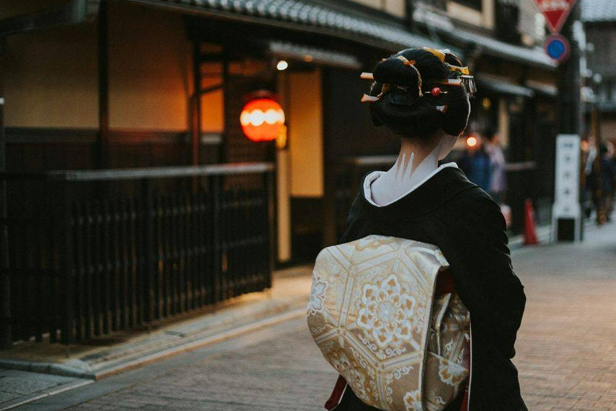
    In the evening you’ll visit the geisha district of Gion, where geiko and maiko entertain guests in old teahouses, and Yasaka Shrine. In 869 people prayed here for deliverance from plague, and from that rite grew the famous Gion Matsuri festival.

    Optional: Gion Corner performance

    This evening performance introduces Japan’s main traditional arts: the tea ceremony, ikebana, koto music, court dance, kyogen comedy, bunraku puppet theatre and kyomai dance performed by the maiko of Gion. Not included in the tour price.

    You’ll spend the morning in Uji, a town of tea and aristocratic villas. The final ten chapters of “The Tale of Genji”, the great novel of the Heian era, are set here. You’ll see Byodo-in: in 1052 the regent Fujiwara no Yorimichi turned his country estate into a temple, and in 1053 the Phoenix Hall was completed, with two phoenixes on its roof – the very hall pictured on the 10-yen coin. Inside sits a gilded statue of Amida by the sculptor Jocho. Afterwards you’ll taste the famous Uji tea and sake.

    Next comes true hanami – a picnic with sake and traditional sweets beneath the blossoming cherry trees by the walls of Fushimi Momoyama Castle. This was the site of Toyotomi Hideyoshi’s castle. In 1600 its garrison held off an enemy army for several days, buying Tokugawa Ieyasu time before the decisive Battle of Sekigahara. The present keep is a 1964 replica; you can’t go inside, but you are free to walk in the park.

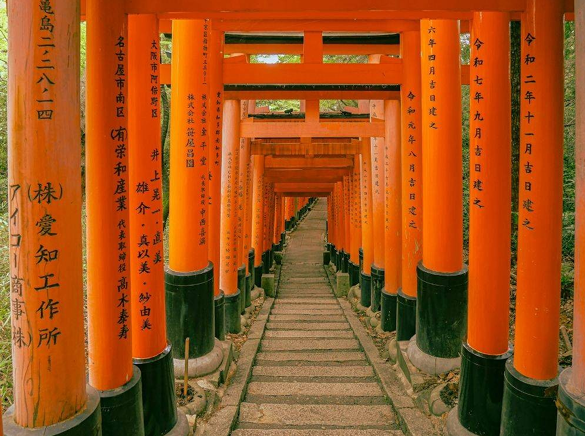
    In the afternoon you’ll head to Fushimi Inari Taisha, the head shrine of some 30,000 shrines to Inari, the deity of harvest and prosperity. Around 10,000 orange torii gates mark the trail up the sacred mountain, and foxes – Inari’s messengers – stand everywhere around the shrine.

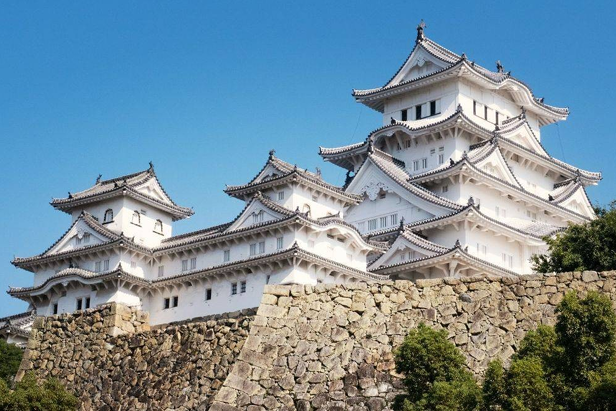
    In the morning you’ll travel to Himeji. Its castle is the largest of the twelve Japanese castles that retain their original main keep, and its dazzling white plastered walls have earned it the name White Heron Castle. The main keep was built in the early 17th century by the lord Ikeda Terumasa: outside it has five tiers, inside six floors and a basement. In 1993 Himeji became one of Japan’s first UNESCO World Heritage Sites.

    Then you’ll visit Koko-en garden. It opened in 1992 to mark the city’s centenary, on the site of the lord’s residence and the houses of high-ranking samurai, and today it comprises nine separate gardens in the style of the Edo period. Here you’ll take part in a short tea ceremony and then go on a boat ride along the moat around the castle.

    Lunch is kaiten-zushi – sushi served on a conveyor belt. In the evening you’ll return to Osaka, where you can explore the Umeda district or relax at the hotel.

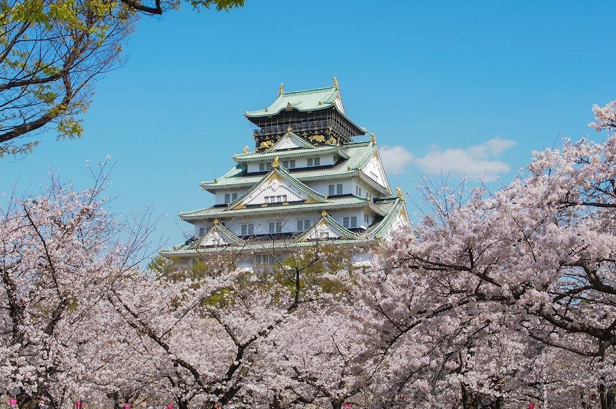
    This day in Osaka unfolds at a leisurely pace. Together with your guide you’ll walk to Osaka Castle: Toyotomi Hideyoshi began building it in 1583, and the present main keep was erected in 1931 on the original stone base, funded by donations from the townspeople.

    After that you can choose between Shitenno-ji, founded by Prince Shotoku in 593 and considered Japan’s oldest state Buddhist temple, and the mountain temple of Katsuo-ji with its thousands of daruma dolls. When you make a wish, you paint in one of the doll’s eyes, and when the wish comes true, the other.

    Alternatively, you can spend the day at Universal Studios Japan, home to the world’s first Nintendo-themed area, or at the Kaiyukan aquarium, where whale sharks swim in the vast “Pacific Ocean” tank. Or you can simply go shopping.

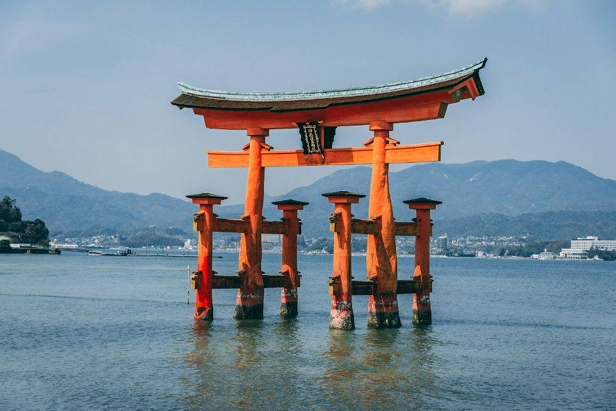
    Early in the morning the group sets off from Osaka for the island of Miyajima, one of the three most beautiful places in Japan. Since 1996 Itsukushima Shrine, together with the primeval forest of Mount Misen, has been on the UNESCO list. In 1168 the powerful Taira no Kiyomori rebuilt the shrine as a large complex standing right over the water. The torii gate in the sea was erected in 1875. It is about 16 metres tall and weighs about 60 tonnes, yet it is not sunk into the seabed – it stands under its own weight.

    You’ll taste fresh oysters – Hiroshima Prefecture produces around 60% of all Japan’s oysters – and then head up the sacred Mount Misen, with its views over Hiroshima Bay.

    You’ll spend the night in a ryokan, a traditional Japanese inn where guests sleep on futons. In the evening you’ll be treated to a kaiseki dinner of many successive courses, and afterwards you can unwind in the hot springs.

    The morning on the island is unhurried: you’ll wander its old streets and then set off for Tokyo.

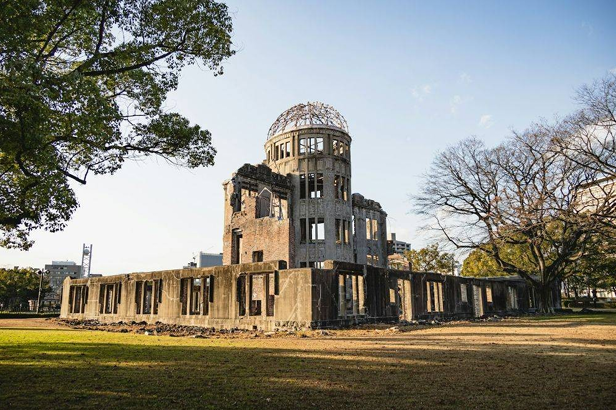
    On the way you can, if you wish, stop off in Hiroshima. The Atomic Bomb Dome – the former Industrial Promotion Hall, opened in 1915 – stood almost directly beneath the explosion of 6 August 1945, which is why its steel frame survived when everything around it was destroyed. Since 1996 the ruins have been a UNESCO World Heritage Site. The Peace Memorial Park was designed by the architect Kenzo Tange, and the Flame of Peace has burned here since 1964 – it will keep burning until the last nuclear weapon on Earth is gone.

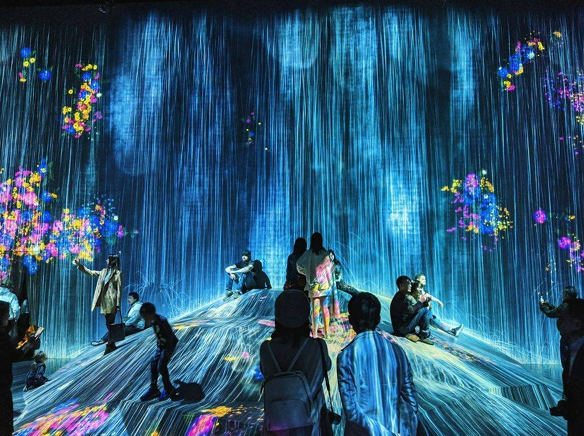
    Your last full day in Japan is free for shopping, favourite neighbourhoods and anything you haven’t yet had time for. You could, for instance, visit teamLab Planets in Toyosu – a digital art museum whose rooms you explore barefoot, in places wading right through water. It entered Guinness World Records as the most visited museum dedicated to a single art collective. Another option is the Harry Potter studio tour.

    Departure from Tokyo. We hope Japan has given you a wealth of vivid memories. Until we meet again on another journey with Dallure!

    Order a free consultation